
Did Women Never Compete in Greek Sports?
You’ve heard it: women were totally banned from the ancient Olympics. Not a single female athlete, ever. Right?
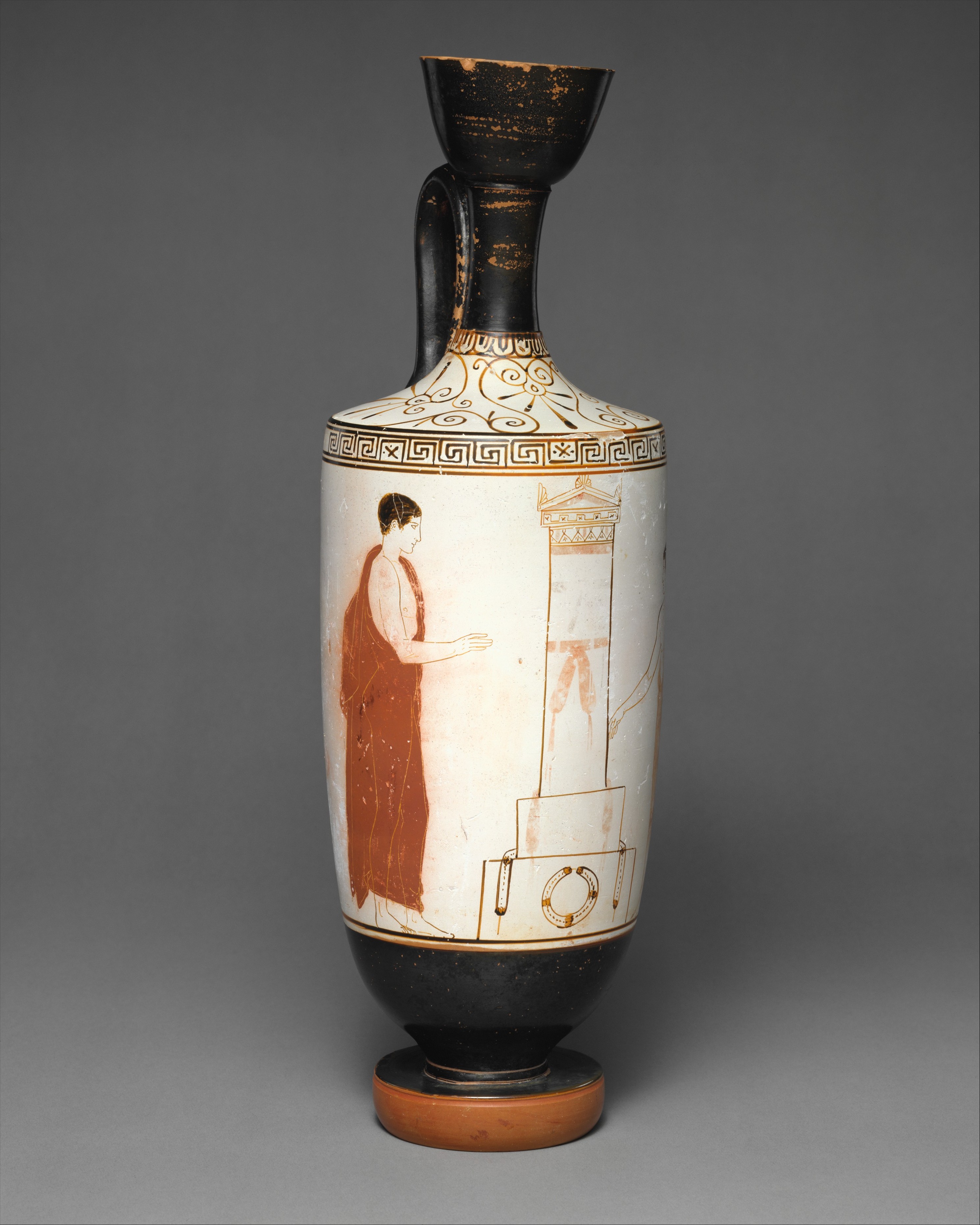
Achilles Painter — "Terracotta lekythos (oil flask)" (ca. 440 BCE), public domain
Women at the Games? Never!
Textbooks love this one: ancient Greece’s Olympic Games were a men-only affair. Women not only couldn’t compete—they couldn't even watch. That’s the line everyone remembers.
The Heraia: Women’s Own Olympics
But in reality, Greek women did race. The Heraia, held at Olympia and dedicated to Hera, saw young women sprinting in short tunics and bare feet. Pausanias, a 2nd-century CE traveler, describes the event—and archaeologists found ancient starting blocks sized for girls. Olympian glory wasn’t just for men.
How Did the Myth Start?
The male-only Olympic myth stuck because those games were by far the most famous. Female contests got little press, and later historians—with Victorian ideas—faded them out of the story.
Outside Olympia, women did compete—and even had their own sacred games, the Heraia. Ancient texts and archaeology prove female competition was real, if limited.
