
The 'Men Only' Greek Olympics?
You picture the ancient Olympics as a no-women zone—men wrestling, running, and throwing, while every woman stayed miles away.
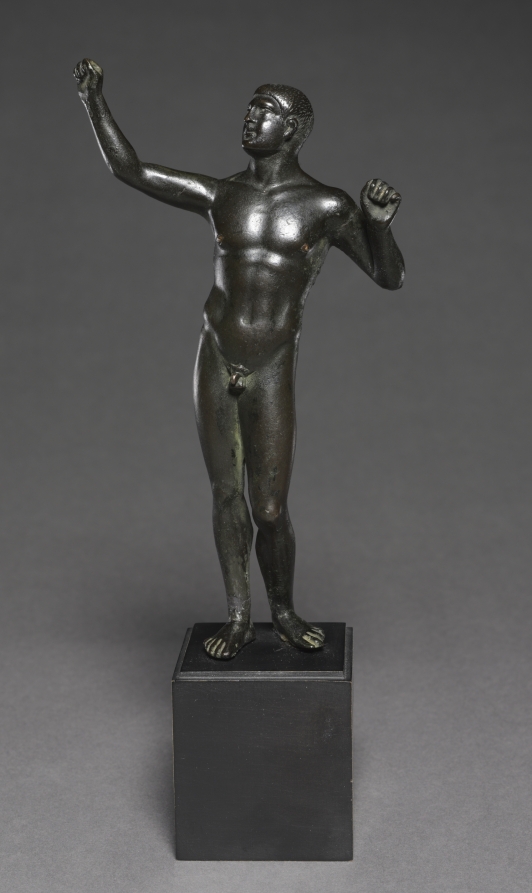
Unknown — "Boxer" (100–30 BCE), CC0
No women at the Games, right?
The textbook line: ancient Olympic athletes and spectators were strictly male. They ran, jumped, and wrestled nude—no women allowed, not even in the stands. Anyone caught risked death.
But women had their own Games.
In Olympia, just before the male Olympics, girls raced in the Heraia, a festival honoring Hera. Winners received olive crowns, dedicating their hair to the goddess. Archaeologists have found statues and inscriptions celebrating these female athletes—proof they had their moment in the arena.
How did the 'men only' myth stick?
Later writers focused on the men's Games—glory and naked bodies made for better stories. The Heraia got buried under centuries of masculine mythmaking. But the race tracks and records are still there, waiting to be read more closely.
Women not only watched but competed—in their own Games, with their own goddess, and a legacy that puts cracks in the myth of male-only Greek sport.
