
Greek Hoplite Shields: Not All Alike
Hollywood lines up Greek hoplites—identical bronze shields, the same crest, a wall of clones. But real battlefields were a riot of color and chaos.
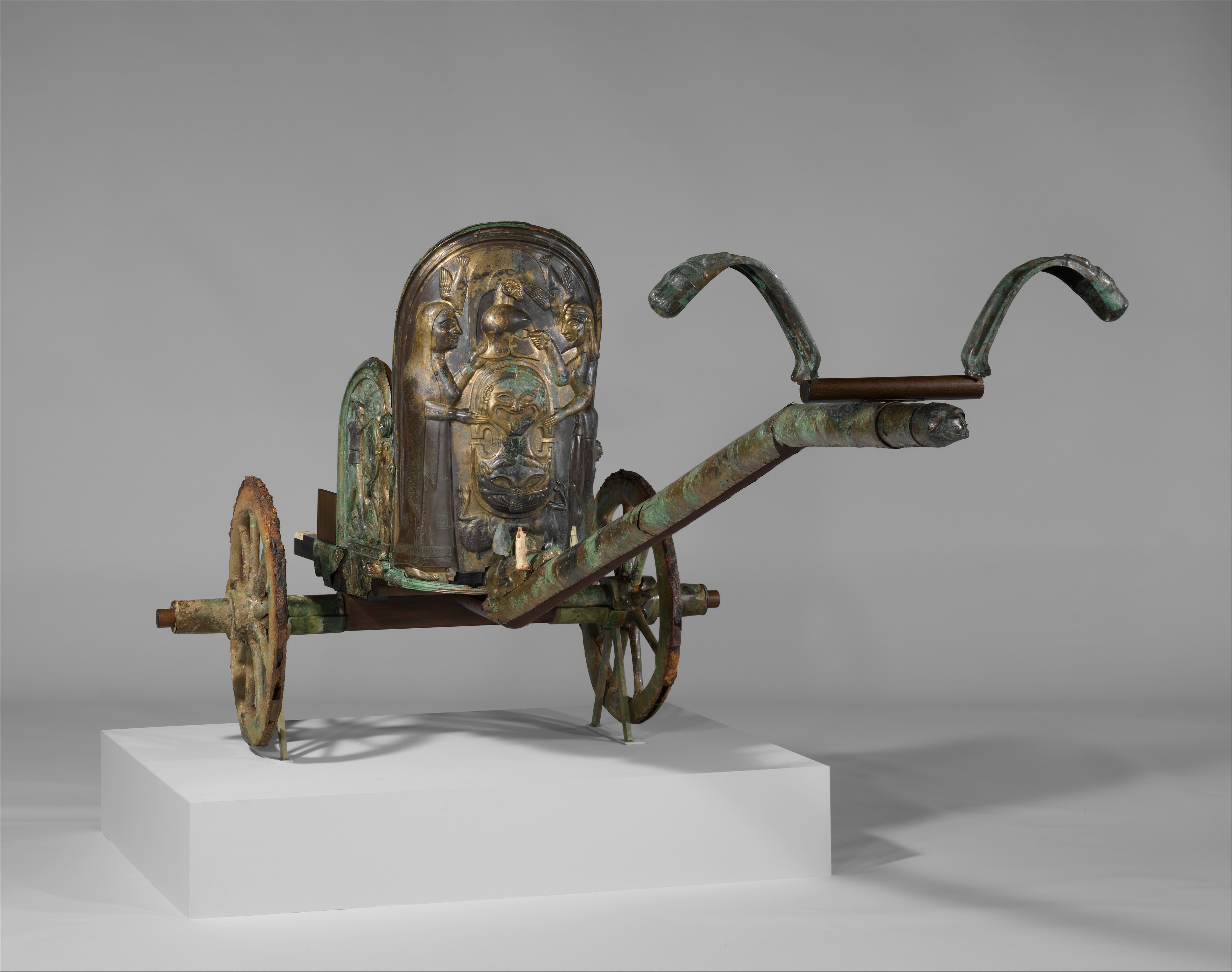
Unknown — "Bronze chariot inlaid with ivory" (2nd quarter of the 6th century BCE), public domain
The myth of the matching phalanx.
Every movie lines up Greek warriors shoulder to shoulder, clutching perfect bronze shields with a matching crest. A faceless, disciplined wall. It’s the image burned into every history book and game.
Shield as self-expression.
Archaeological finds and vase paintings reveal hoplite shields splattered with personal symbols: the monstrous gorgon, leaping dolphins, even inside jokes. Warriors picked their own designs, sometimes to terrify foes, sometimes just to stand out. The phalanx was more parade than clone army.
Why do we see them as clones?
Victorian painters and early archaeologists loved the image of perfect discipline—civilization marching in lockstep. 20th-century textbooks ran with it. Real Greeks, though, fought under a patchwork of symbols, as wild as any modern sports team lineup.
Archaeology shows hoplite shields were painted with wild, personal emblems: snakes, gorgons, even dolphins. No two lines looked the same. The uniform phalanx is a modern invention.
