
Hoplitic Armor: Not Uniform
Picture the phalanx: identical bronze helmets, matching round shields, carbon-copy muscle cuirasses. Greek hoplites in Hollywood march like clones. But real hoplites looked more like a wild parade than an army surplus ad.
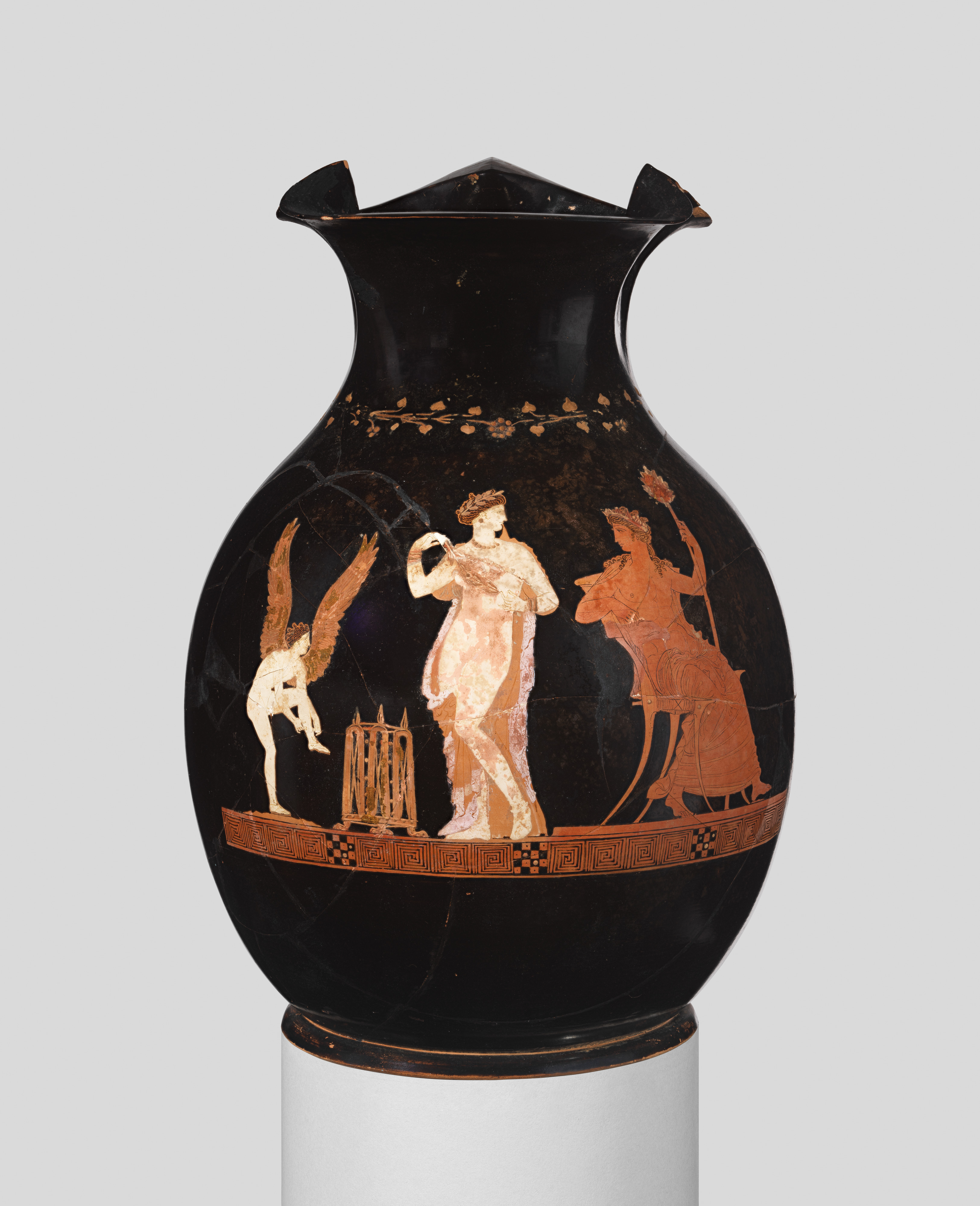
Unknown — "Terracotta oinochoe (jug)" (mid-4th century BCE), public domain
The myth of the matching hoplite.
Classroom posters and war movies show Greek hoplites: matched from helmet to sandal. Shining bronze faces, neat crests, duplicate shields—every man a doppelgänger. The ‘army of clones’ is a modern myth.
Real warriors dressed for chaos.
Grave finds and vase paintings tell a different story. Corinthian, Illyrian, and Chalcidian helmets jostle side by side. Shields painted with squids, gorgons, or wild goats. Some hoplites fought in full bronze, others in leather, or just a thick wool tunic. No two looked exactly alike.
Why do we picture clones?
Victorian artists and modern directors love a tidy phalanx—discipline made visible. But for Greeks, equipment was expensive, often family heirlooms, and customized for bravado. The real battlefield was a carnival of color and chaos.
Early Greek soldiers mixed heirloom gear, hand-me-downs, and local designs. Archaeology shows a riot of helmet shapes, shield paintings, and armor—no two warriors geared up exactly alike.
