
Greek Fire: Not Ancient Greek
You picture blazing ships and ancient Greek navies unleashing 'Greek fire' in the age of triremes. It’s in every documentary. But no Athenian ever saw it: Greek fire didn’t exist in classical Greece.
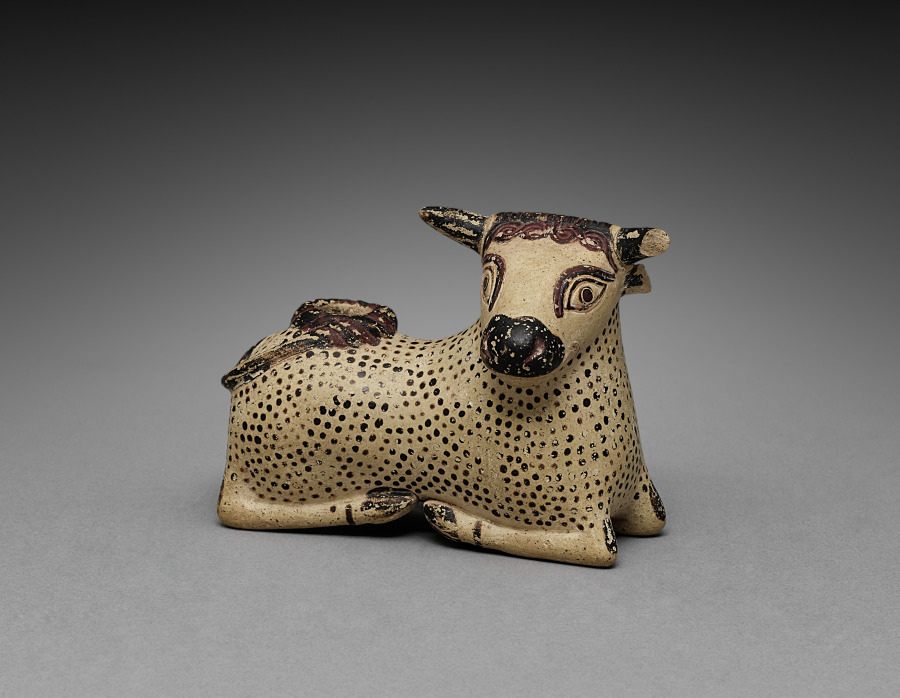
Unknown — "Oil Flask in the Shape of a Bull" (600–575 BCE or 1900s CE), CC0
No flamethrowers in Athens.
Every pop history show loves it: Greek triremes spitting jets of fire, enemy sails erupting in flames, ancient seafarers screaming. But Greek fire—the mythic flamethrower—didn’t scorch the Aegean in the age of Pericles or Alexander.
A medieval invention, not ancient.
Greek fire was crafted by the Byzantine Empire, probably in the 7th century CE, to devastate Arab fleets. No mention of it exists in Herodotus, Thucydides, or any classical source. The real classical Greeks fought with rams, arrows, and sheer nerve—no chemical warfare.
How did the myth catch fire?
The name comes from later chroniclers, dazzled by Byzantine weaponry and eager to give it old Greek prestige. Hollywood and lazy textbooks ran with it, folding all of Greek history into one blazing image. One thousand years vanished in a puff of smoke.
Greek fire was a Byzantine weapon, invented almost a thousand years after the height of Athens and Sparta. The real ancient Greeks fought with bronze, sail, and oar—no flamethrowers.
