
Greek Fire: Not Ancient Greek
Think 'Greek fire' was the secret weapon of Julius Caesar or ancient Greek warriors? It was actually a Byzantine invention—centuries later.
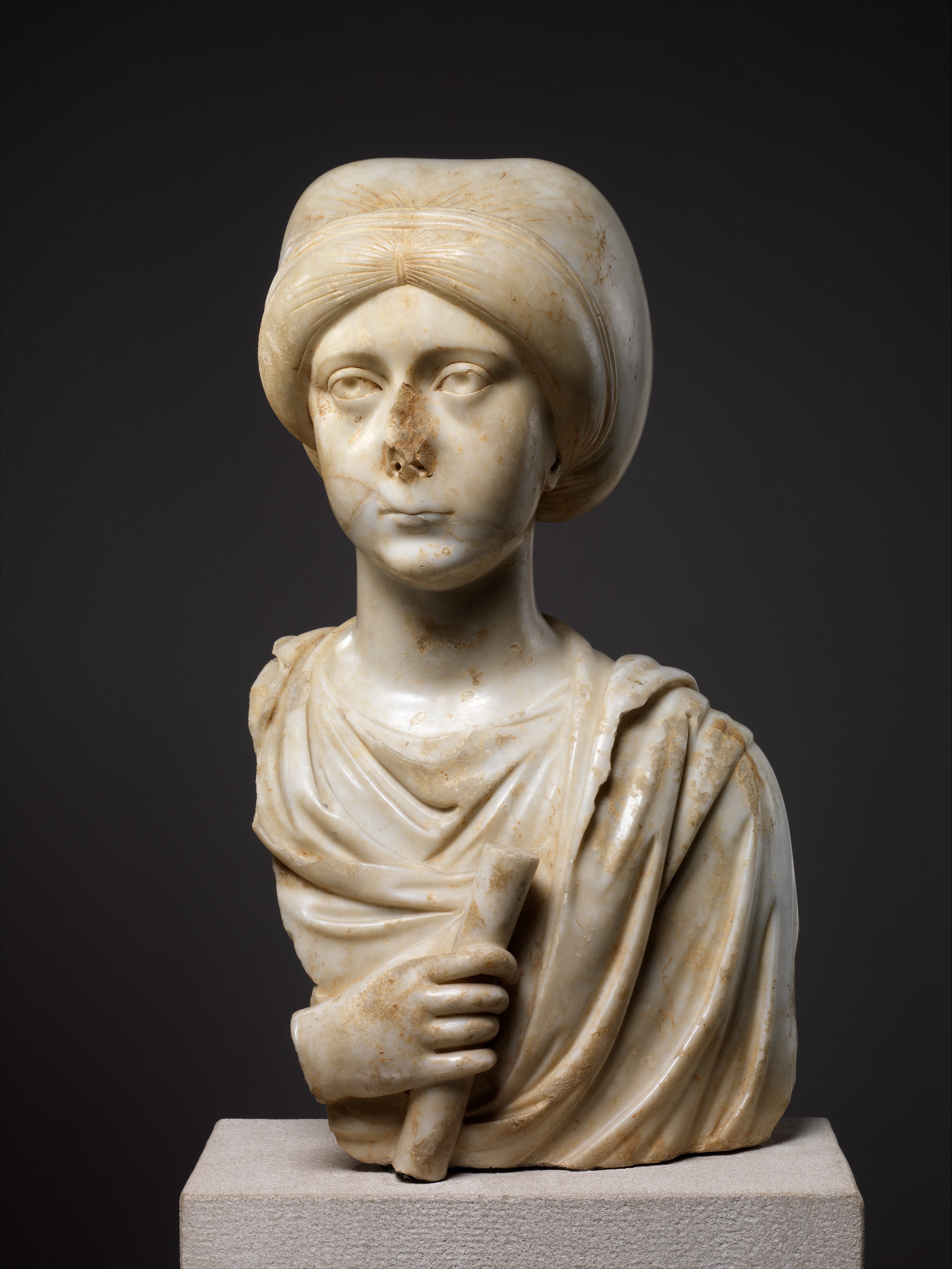
Unknown — "Marble Portrait Bust of a Woman with a Scroll" (late 4th–early 5th century), public domain
Greek fire scorched Persian fleets—right?
Every textbook and video game puts Greek fire in the hands of ancient Greeks or Romans, torching enemy ships. Scenes of triremes spewing flame across the waves. But ancient Greeks never saw this weapon—nor did Caesar or even Augustus.
It was a Byzantine game-changer.
Greek fire first appears in the 7th century, when the Byzantines used it to save Constantinople from Arab sieges. The secret recipe—possibly using naphtha, quicklime, or even sulfur—made the substance burn on water. Ancient sources like Theophanes and Anna Komnene describe its terrifying effect, but never classical Greeks or Romans.
How did the myth start?
Later medieval writers, dazzled by the 'Greek' in the name, assumed it was ancient. Pop culture ran with it, putting the weapon in every era. But the real fire belonged to Rome’s eastern heirs—not Homer’s heroes.
The legendary Greek fire, a burning liquid that terrified enemies at sea, was first used by the Byzantines in the 7th century, not classical Greeks or Romans. Its recipe remains a mystery, but it changed naval warfare forever.
