
Bronze Mirrors and Distorted Beauty
Look into a Greek mirror and your face stares back—warped, shadowy, slightly green.
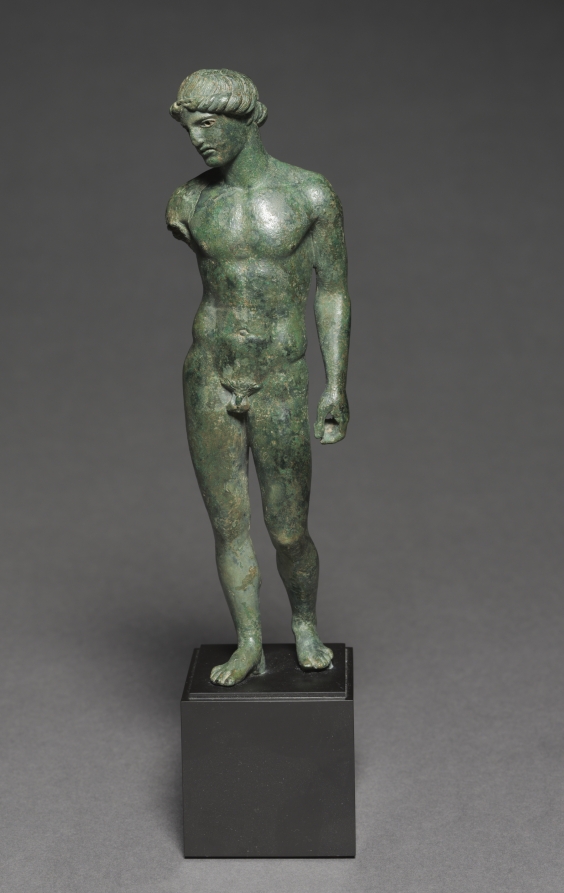
Unknown — "Athlete Making an Offering" (c. 450–425 BCE), CC0
A Shimmer, Not a Reflection
Look into a Greek mirror and your face stares back—warped, shadowy, slightly green. The image moves with every flicker of light, as if you’re peering into still water.
Bronze Instead of Glass
Ancient Greek mirrors weren’t glass. They were discs of polished bronze, laboriously buffed to a dull shine. The reflection came out hazy—every flaw exaggerated, every detail blurred. Archaeologists have found these mirrors in tombs and homes, sometimes decorated with tiny figures of gods or animals.
Most ancient Greek mirrors weren’t glass at all. They were discs of polished bronze, shining but imperfect. The reflection was blurry and tinged with color, showing every flaw and none of the sparkle. Archaeologists have found hundreds, from battered hand mirrors to heavy table stands. For the Greeks, seeing yourself clearly wasn’t a given—it was a luxury, and sometimes a shock.
