
Cato the Younger on Honor and Truth
"I'd rather fail with honor than win by cheating." Cato the Younger set the bar, then lived by it with nothing left but scars.
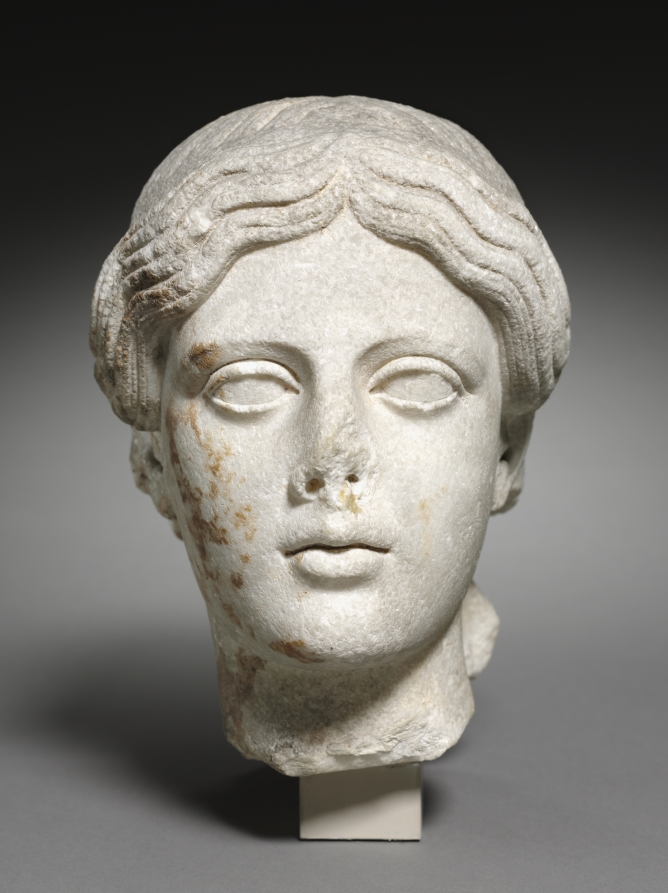
Unknown — "Idealized Head" (50 BCE–100 CE), CC0
Cato’s stand, win or lose.
Plutarch, in his Life of Cato the Younger, records: «Ἐγὼ μὲν τιμῶ πάνυ τὸ νικᾶν, ἀλλὰ μᾶλλον τὸ μετ’ ἀρετῆς ἡττᾶσθαι.» — "I value victory, but I value even more being defeated with virtue." For Cato, there was no prize worth losing his soul.
When losing is the win.
Cato the Younger believed that playing fair matters more than the outcome. He stood against Caesar, corruption, and even his own allies when they bent the rules. He was less afraid of failure than dishonor.
The stubborn heart of the Republic.
Cato drank cold water, wore the plainest toga, and never laughed at dirty jokes in the Senate. He died by his own hand rather than live under Caesar. Rome could be bought—Cato proved he couldn’t.
For Cato, reputation was spare change—what mattered was integrity. He picked a fight with Julius Caesar, and lost. But he never lost himself. His brand of stubborn honesty nearly bankrupted him, but it built a legend.
