
Greek Bread Was Often Full of Ashes and Dirt
Take a bite of ancient Greek bread and you crunch down on sand, bits of ash, and sometimes even tiny stones.
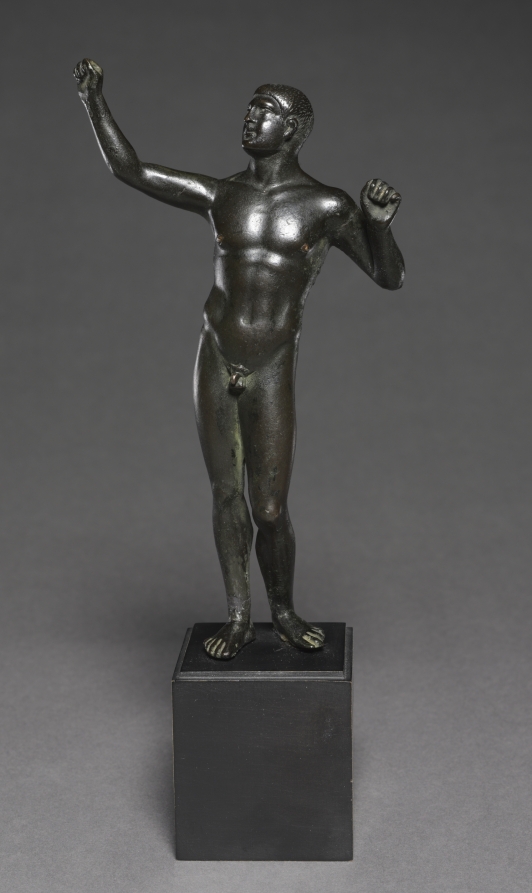
Unknown — "Boxer" (100–30 BCE), CC0
Bread with a Crunch—But Not on Purpose
Take a bite of ancient Greek bread and you crunch down on sand, bits of ash, and sometimes even tiny stones. Loaves were baked in open hearths or crude domed ovens, with nothing to keep dirt out.
Low-Quality Loaves for the Masses
Archaeologists find bread riddled with grit in digs around Athens. Comic playwrights mocked bakers for selling loaves stretched with sawdust or dirt. Only the rich ate soft white bread. Most Athenians wore down their teeth on coarse, dark lumps.
Archaeologists have found charred bread loaves and oven remains around Athens filled with grit and debris. Bakers used open hearths or crude ovens, and cheap bread could be adulterated with sawdust, sand, even dirt. Writers like Aristophanes and Plato mocked this gritty bread in their comedies and treatises—everyone knew the best flour was rare. Fresh white loaves were for the rich. Most Athenians chewed through rough, dark crumbs, watching their teeth wear away with every bite.
