
Aristotle’s Last Escape
The world’s most famous philosopher packed his scrolls and vanished from Athens — afraid he’d be forced to drink hemlock, just like Socrates.
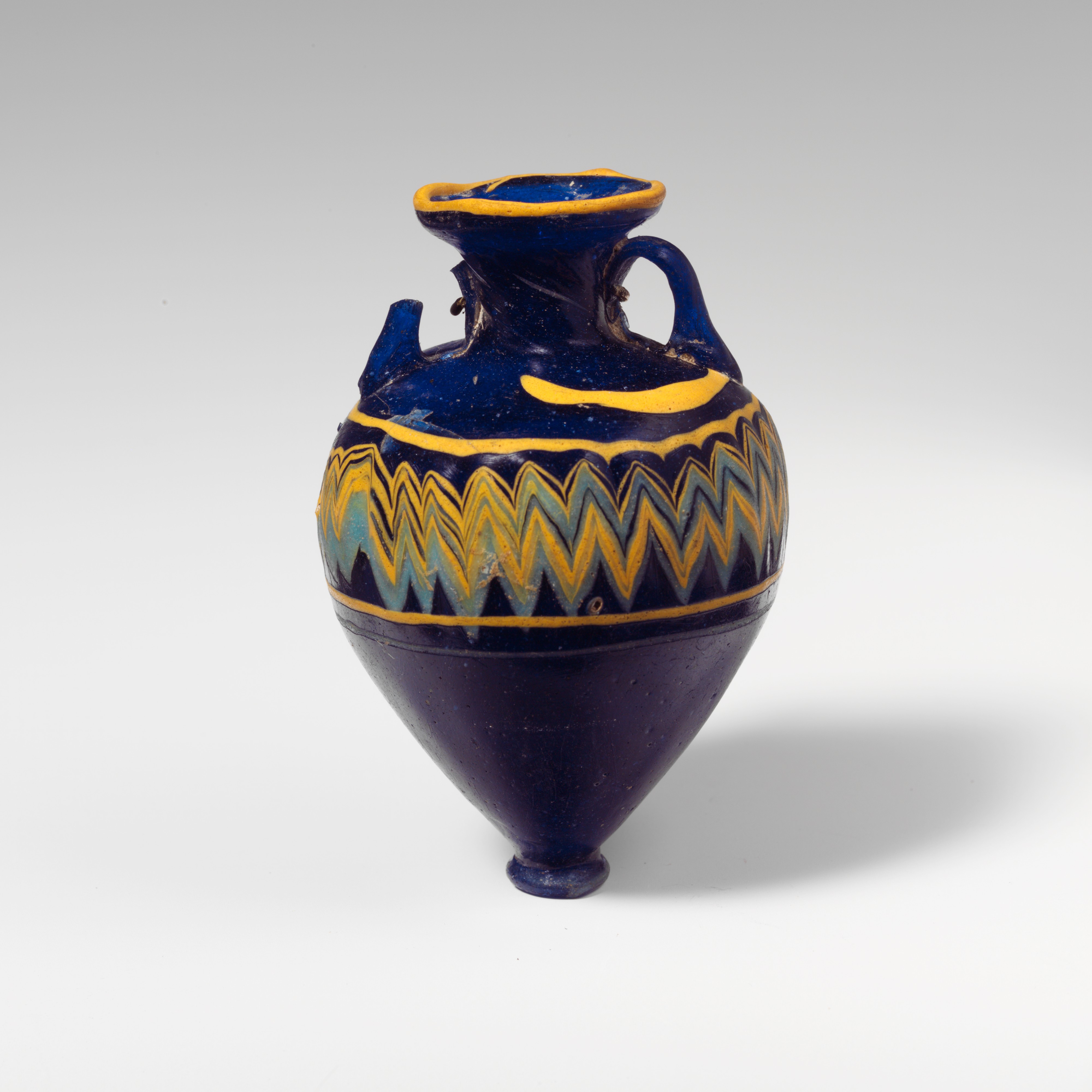
Unknown — "Glass amphoriskos (perfume bottle)" (late 6th–5th century BCE), public domain
Philosophers no longer safe.
In 322 BC, a bitter, battered Athens blamed its woes on outsiders and thinkers. The city charged Aristotle with impiety, the same crime that killed Socrates decades earlier. Aristotle knew what a trial meant — and what a verdict would be.
Aristotle slips away.
He left quietly for the island of Euboea, joking that he refused to let Athens 'sin twice against philosophy.' In exile, Aristotle died within the year — not by poison, but by illness.
Even legends know fear.
He shaped logic, biology, and politics. But in the end, Aristotle had to choose: pride, or survival. No one is above the winds of public mood.
Even Aristotle knew when to run. Athens turned on philosophers before — and he wasn’t planning to be next.
