
Greek Homes and Carbon Monoxide
It’s winter in Athens, and the only way to keep warm is a bronze brazier—filling the room with invisible poison.
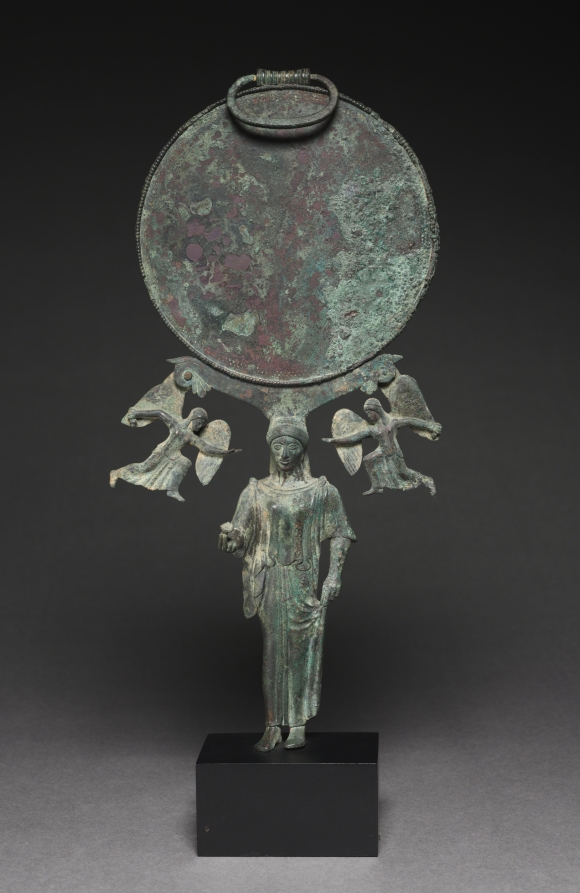
Unknown — "Mirror" (c. 470–460 BCE), CC0
The Deadly Warmth of a Greek Home
It’s winter in Athens, and the only way to keep warm is a bronze brazier—filling the room with invisible poison. The air grows heavy as the coals burn, but there’s no chimney, just thick plastered walls.
Charcoal and the Cost of Comfort
Most Greek houses used indoor charcoal braziers for heat. Archaeology uncovers their blackened metal shells, sometimes inside bedrooms. Ancient writers describe headaches and death from “bad air”—carbon monoxide poison, 2,400 years before we named it.
Most Greek houses lacked chimneys. Heating came from burning charcoal indoors, in metal braziers. The result? Chronic headaches, dizziness, and even carbon monoxide poisoning—ancient writers mention deaths from “bad air.” Archaeological finds show charred braziers in bedrooms, hinting at the quiet, dangerous toll of staying warm.
