
Greek Warriors Fought Nude?
You’ve seen the art: Greek warriors clash in the nude, every muscle on show. Movies love it. But hoplites never charged bare-skinned into war.
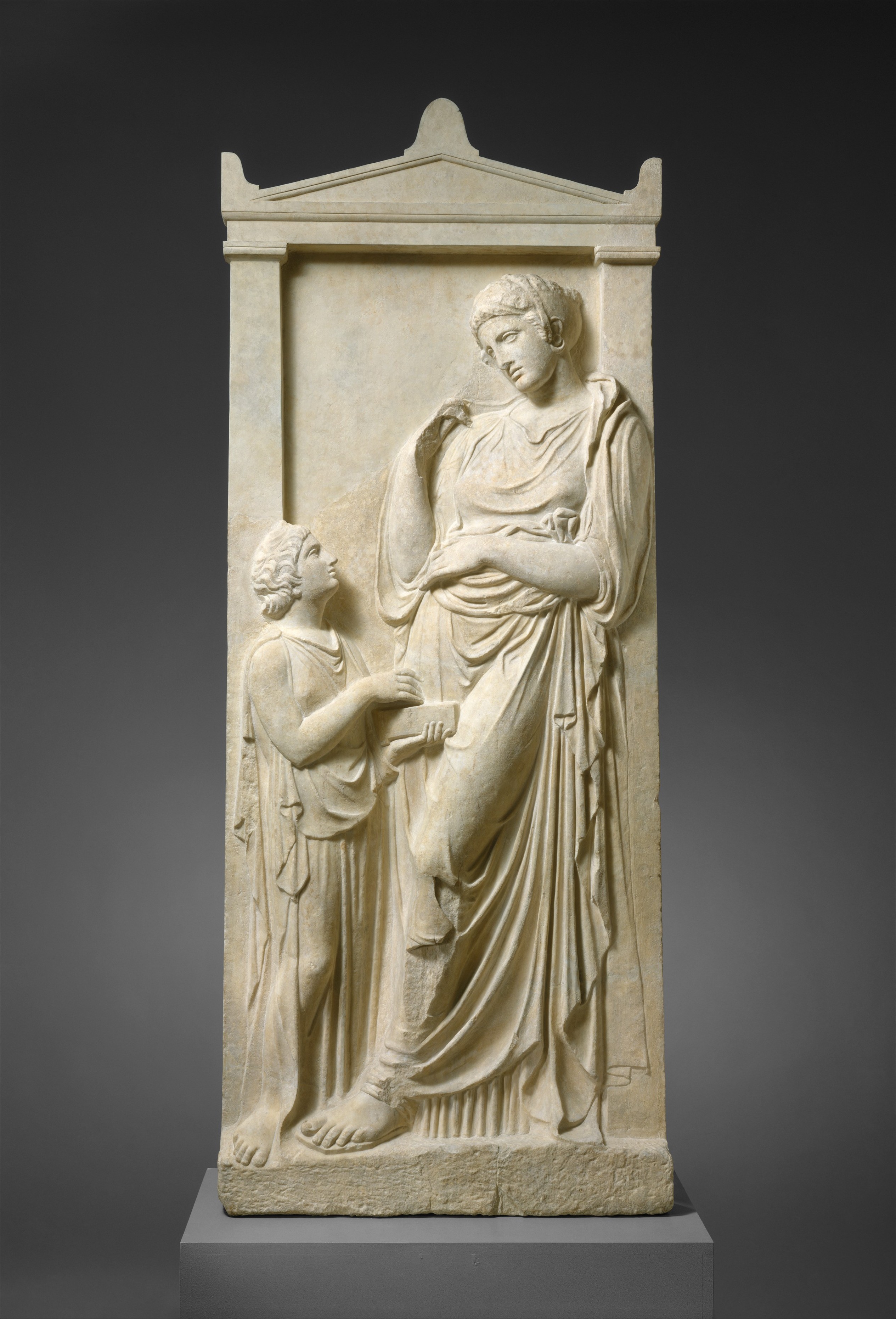
Unknown — "Marble grave stele of a young woman and servant" (ca. 400–390 BCE), public domain
The naked Greek warrior image.
Greek art fills museums with visions of nude heroes—muscles tense, spears flashing, not a scrap of cloth in sight. It's been copied by painters, sculptors, and blockbuster movies. Even textbooks sometimes claim hoplites fought nude for 'freedom of movement.'
What they actually wore.
On the battlefield, Greek hoplites strapped on heavy bronze helmets, cuirasses, greaves, and a thick linen tunic. Archaeological digs turn up splintered armor and iron fittings, not piles of discarded clothing. Going into battle naked wasn’t bravery—it was suicide.
Art, myth, and ego.
So why the obsession with nudity? Greek artists used naked bodies as symbols of the ideal hero—youthful, beautiful, semi-divine. It’s more mythmaking than military history, a fantasy frozen in clay and paint.
Greek vase painters loved heroic nudity, but real hoplites wore layered linen and bronze armor—protection mattered more than showing off. The naked warrior is more myth than field report.
