
Greek Athletics: Not Always Naked
Not every Greek athlete stripped down for sports—clothes played a role at many festivals.
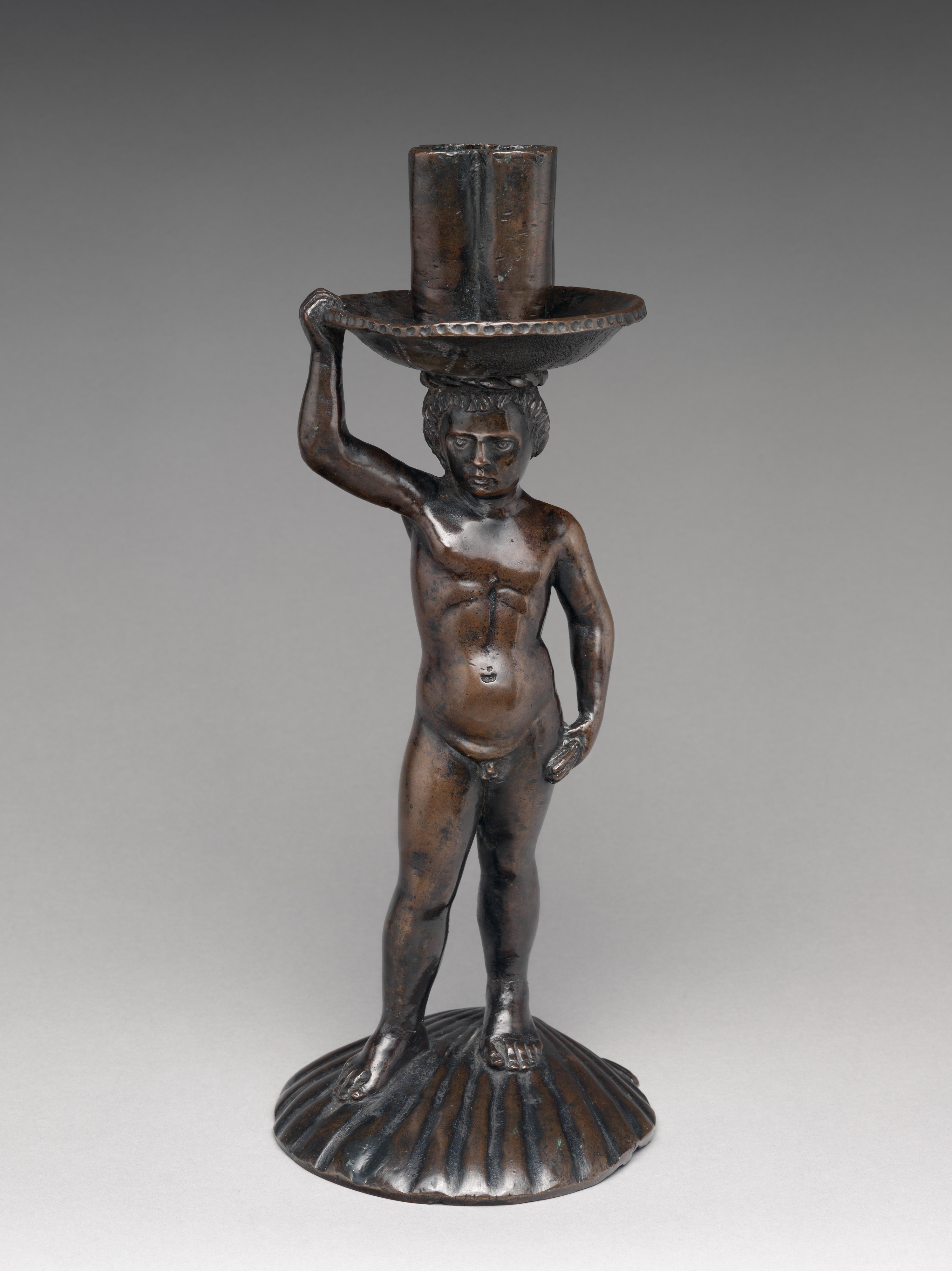
Unknown — "Boy on a shell, holding a candlestick" (mid-15th century), public domain
Were all Greek athletes naked?
We picture every Greek runner and wrestler oiled and naked, racing and grappling under the sun. Art museums are full of bare bronze heroes. But not every game was a nude parade.
Clothes, armor, and even tunics.
At the Olympic Games, competing naked was the rule for men. But at local festivals and Panathenaic games, runners sometimes wore short tunics. The hoplitodromos—a race in full armor—made nudity impossible. Archaeological finds show shoes, helmets, and even loincloths in use.
Blame the Olympics—and Athenian pride.
Athenian writers glorified Olympic nudity as a mark of Greek identity, contrasting themselves with 'barbarians.' But regional customs, age divisions, and event types made the real Greek gymnasium a patchwork of rules and outfits.
While Olympic athletes competed nude, most other Greek games required clothing or even armor. The truth is far more varied than textbook images let on.
