
On This Day: Rome’s Grain Harvest Peaks
By late June, the hills outside Rome shimmer gold—harvesters sweep through the wheat, sickles flashing in the sun.
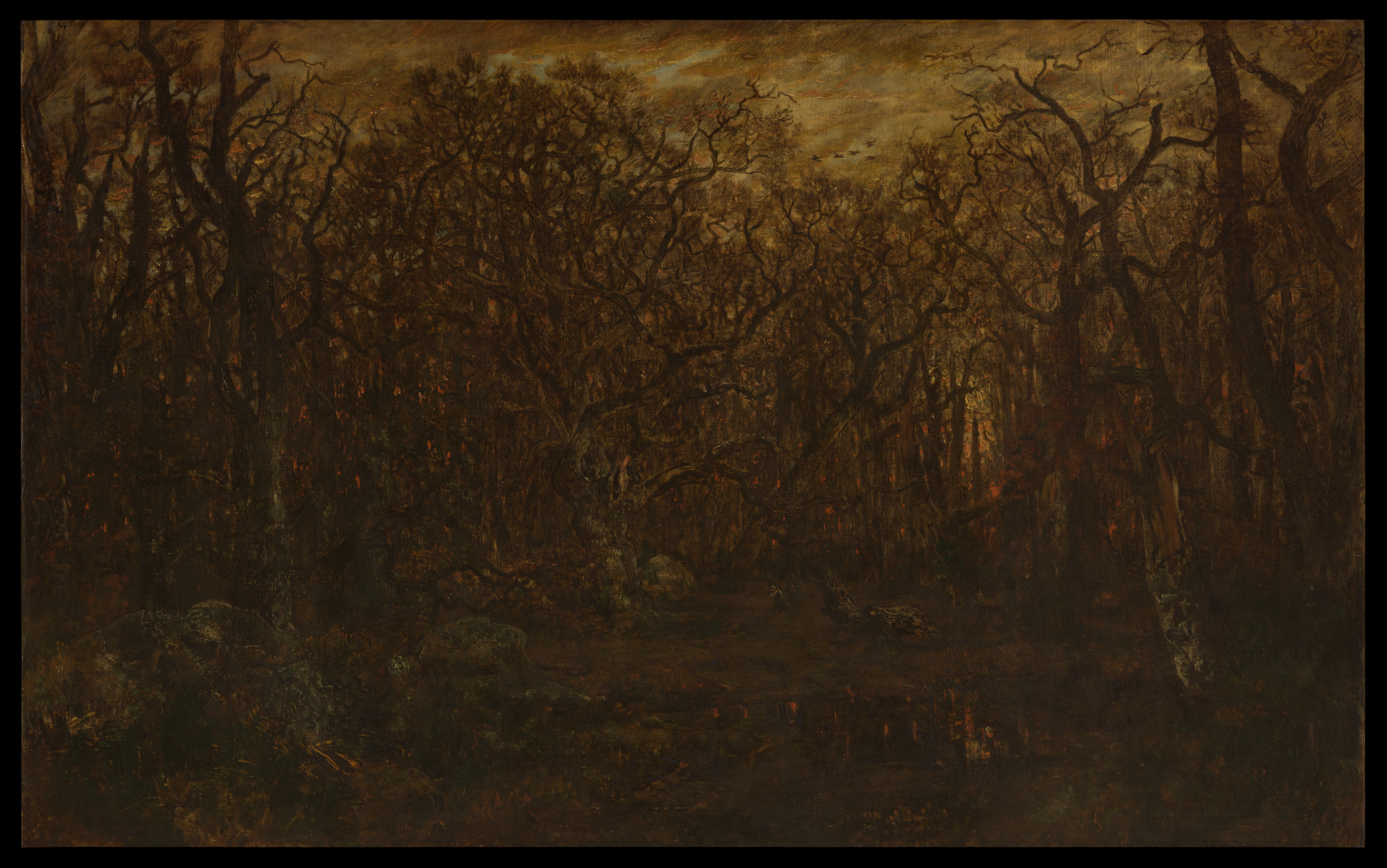
Théodore Rousseau — "The Forest in Winter at Sunset" (ca. 1846–67), public domain
Fields of gold, sweat, and risk.
By June’s end, Roman farmers rushed to bring in the grain harvest. The work was relentless—sunrise to dusk, sickle after sickle—because a single thunderstorm could flatten the fields. Slaves, freedmen, and landowners all joined the scramble. The city’s bread depended on their speed.
Empire built on a loaf of bread.
Grain was more than food. Rome imported millions of bushels from Sicily, North Africa, and Egypt every year. Feed the city, and you controlled its heart. A poor harvest could mean riots, price spikes, even the fall of emperors. No harvest, no Rome.
Rome’s breadbasket was built on these summer days. If the harvest failed, the city starved. Grain controlled empires and toppled rulers—one field at a time.
