
Galen: The Doctor Who Dissected Power
In a city where dissection of human corpses is taboo, Galen sharpens his scalpel. He slices open monkeys and pigs, rewriting what Rome knows about the human body—one mistake at a time.
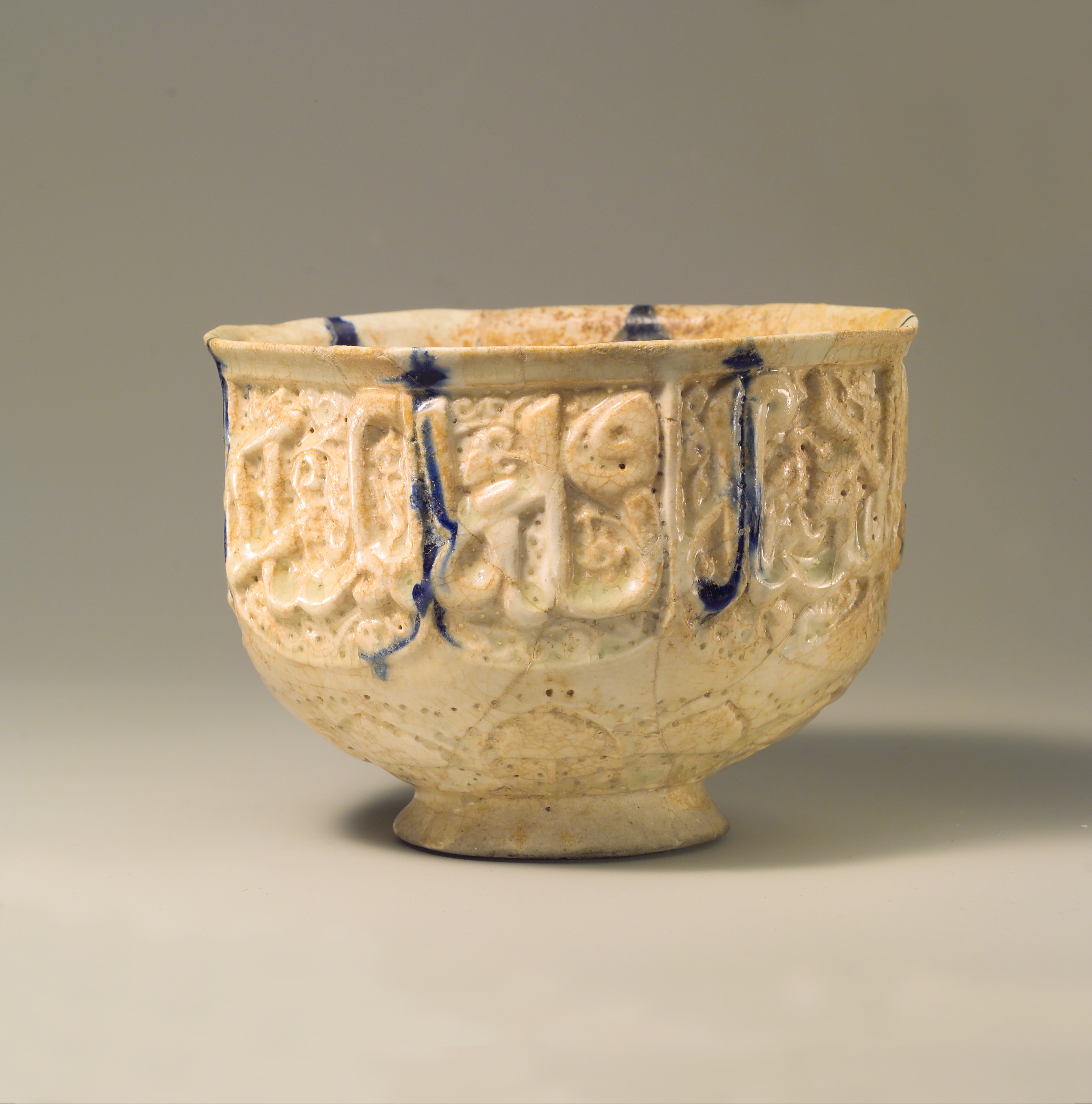
Unknown — "Pierced Bowl Signed by Hasan al-Qashani" (late 11th–early 12th century), public domain
Scalpels and Spectacle in Rome
In a smoky lecture hall, Galen cuts open a squealing pig, holding up the pulsing organs for a rapt audience. Human cadavers are forbidden—so he makes do with what bleeds and breathes. The room reeks of sweat and hot flesh, but Galen is unflinching.
A Surgeon on the Emperor’s Payroll
From stitching gladiators to diagnosing emperors, Galen gains power few doctors ever had. He denounces old superstitions and dares to contradict Romans who still worship healing gods. Yet much of his knowledge is guesswork—his diagrams show pig livers and dog hearts standing in for human ones.
A Legacy Carved in Error and Genius
Roman laws kept Galen from the truth his hands could almost touch. For centuries, his textbook mistakes ruled European medicine. Genius, ambition, and the limits of his own time—still visible in every line of his sketches.
Galen’s medical experiments, sometimes gory and always controversial, earned him fame from gladiator wounds to the emperor’s bedside. He bridged the gap between temple magic and real anatomy, dazzling audiences with live demonstrations. Yet even as physician to Marcus Aurelius, Galen’s most brilliant discoveries were based on animal bodies—Rome’s laws never let him open a fellow human.
