
Gaius Gracchus: Feeding the Mob, Breaking the Republic
Bread pours from government warehouses onto the Forum, and the city swarms for a handout.
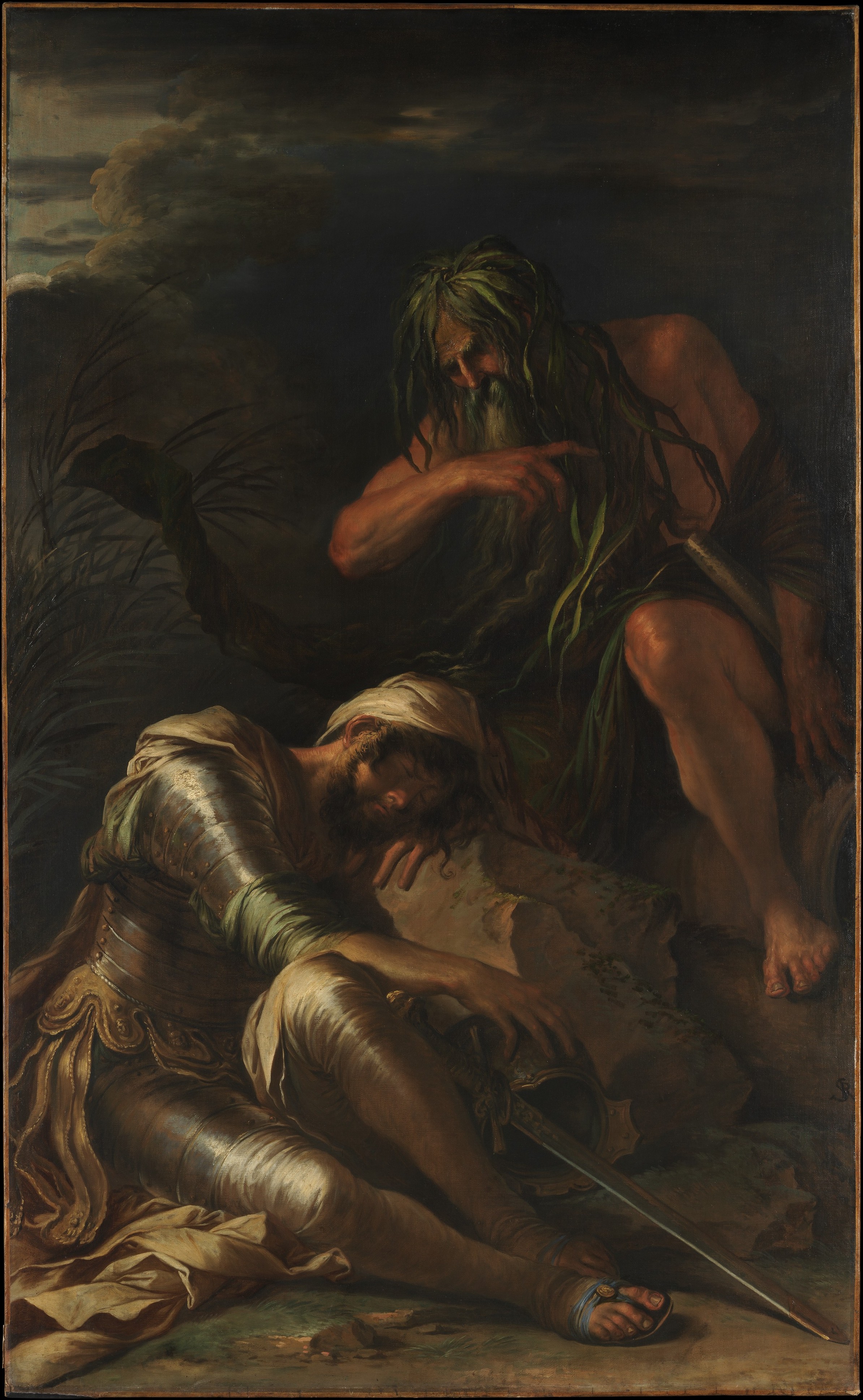
Salvator Rosa — "The Dream of Aeneas" (1660–65), public domain
Bread Lines in the Heart of Rome
Bread pours from government warehouses onto the Forum, and the city swarms for a handout. The old patricians scowl, clutching their silk togas tighter as grain slips through their grasp. Nobody has ever seen the poor this bold—or this hungry.
Gaius Gracchus Bets on the Masses
In 123 BCE, Gaius Gracchus, younger brother to the murdered Tiberius, pushes through a law to give subsidized grain to every Roman citizen. It is radical—a direct bargain with the urban poor, bypassing the Senate entirely. Politicians gasp, but crowds roar for Gaius. The line between leader and demagogue blurs.
A Legacy of Crisis and Control
Every Roman emperor after Gaius inherits his gift and his headache: free grain for the mob, restless nights for the powerful. Rome’s politics will never be the same. The question lingers—who really commands the city: the rulers, or the crowd with empty bowls?
Gaius Gracchus turned free grain into political dynamite—a gift that fed Rome and fractured its soul.
