
Faustina the Elder: More Than an Imperial Wife
After Faustina died, Marcus Aurelius ordered temples built in her honor. Her face became as common on coins as that of the emperor himself—sometimes even more.
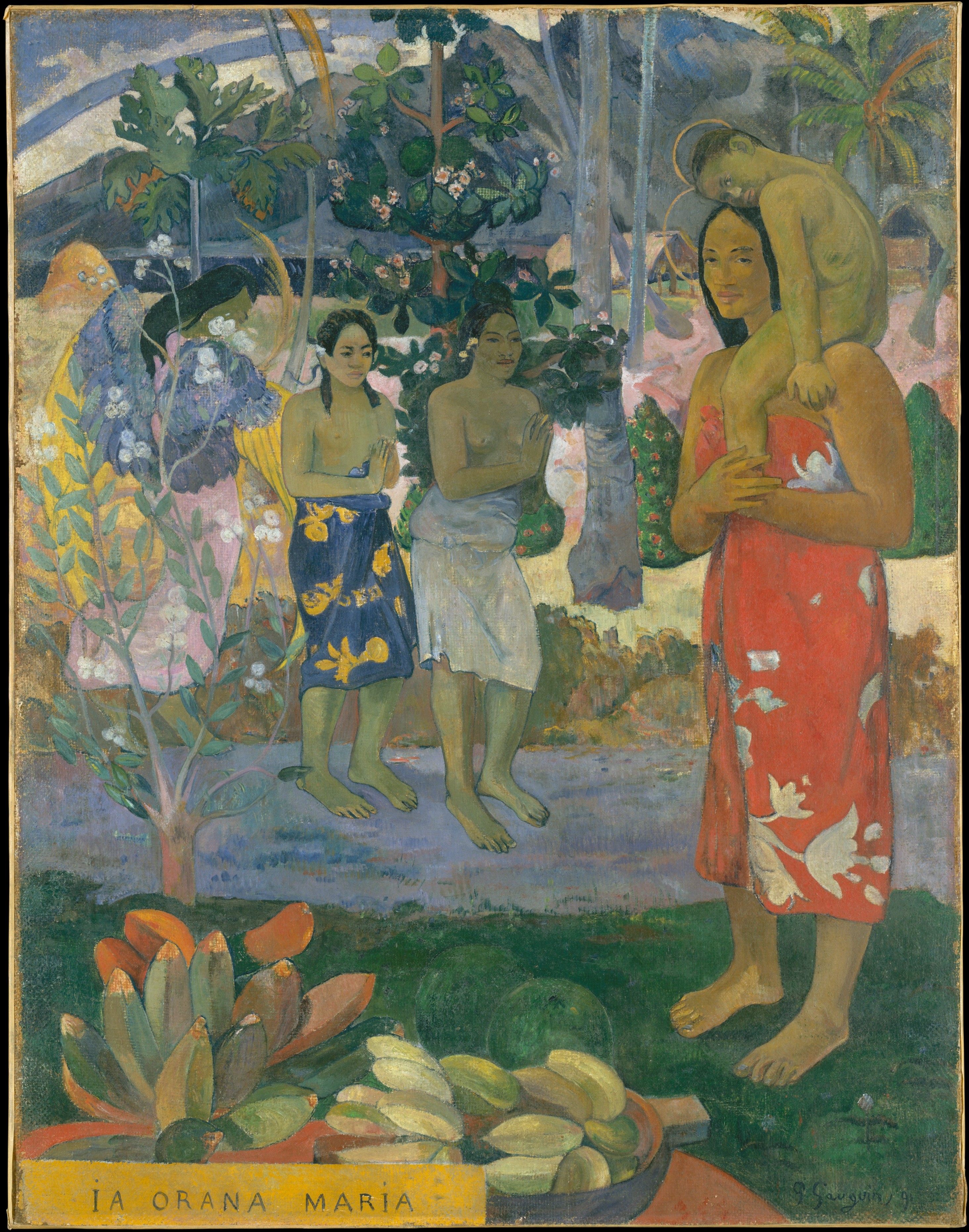
Paul Gauguin — "Ia Orana Maria (Hail Mary)" (1891), public domain
A Goddess in Bronze and Stone
Temples to Faustina the Elder sprang up across the empire after her death. Her image was stamped on coins, her name carved on altars. Rome made her a goddess—with a face more visible than most emperors.
Imperial Anxiety in Marble
Faustina’s aura of calm masked a palace full of suspicion. Whispers about her fidelity, the uncertain line of succession—everything got smoothed over by making her divine. The cult of Faustina wasn’t just love. It was politics, minted and worshipped.
Memory That Outlasts Power
Most imperial wives vanished into the background. Faustina became a fixture, eternally young, staring out from coins in every market stall—a reminder that the stories we keep often have little to do with the lives behind the statues.
Faustina’s marriage to Antoninus Pius looked serene from the outside. But Rome’s court was a minefield of rivalries and whispers. By turning a wife into a goddess, Marcus and Antoninus airbrushed real anxieties—infidelity rumors, the succession crisis—into divine smoke. It worked. For half a century, millions carried her face in their pockets, whether out of love or obligation.
