Fragmenta.
How It WorksPricingTodayBlog
Download for iOS
Today›Story
Story·Ancient Rome·Second Punic War, 3rd century BCE

Fabius Maximus and the Art of Delay

While Rome burned for revenge, Fabius Maximus ordered his army to run—again and again.
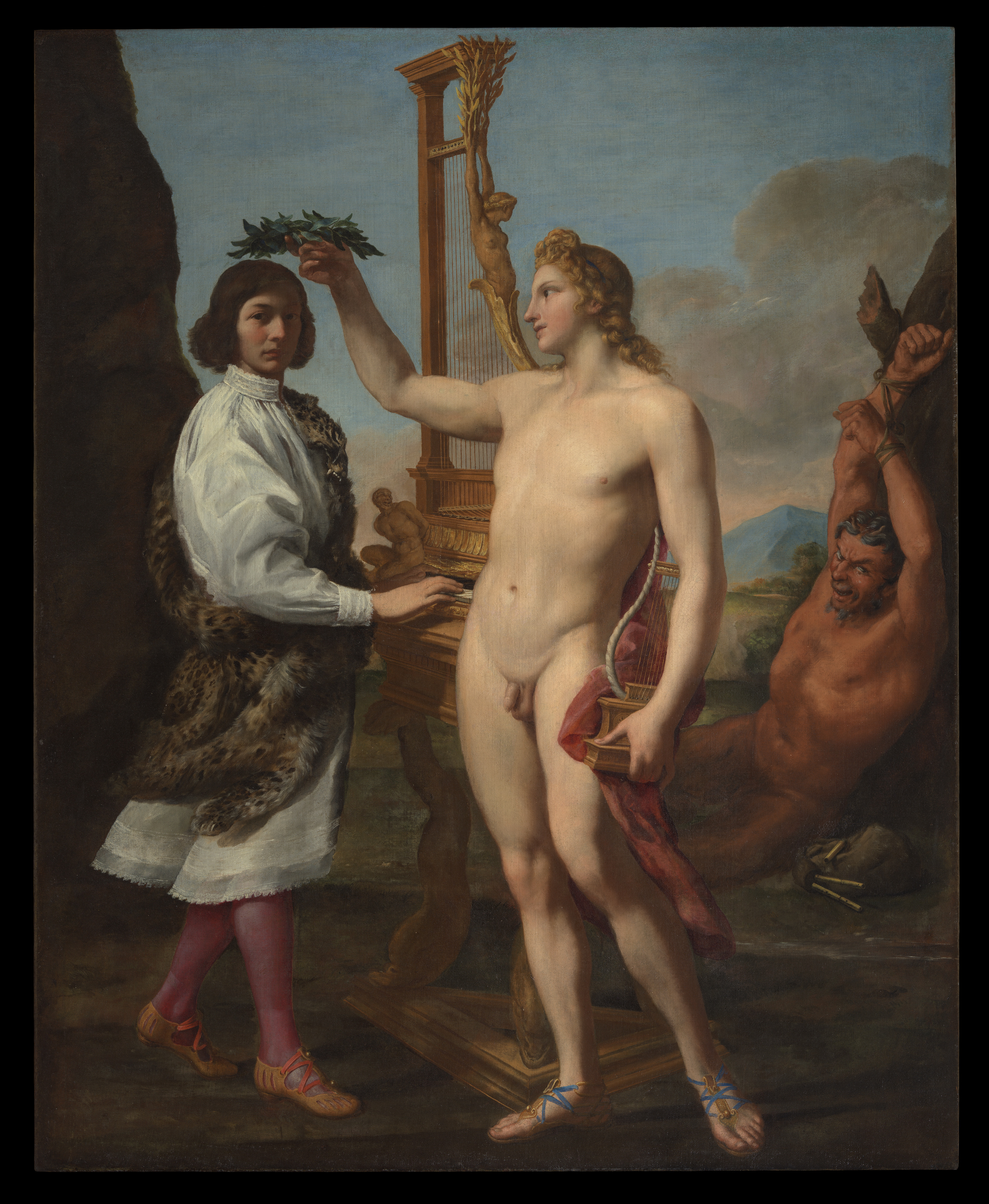
Fabius Maximus and the Art of Delay

Andrea Sacchi — "Marcantonio Pasqualini (1614–1691) Crowned by Apollo" (1641), public domain

The general who ran from Hannibal.

As Hannibal’s army ravaged Italy, the Roman people demanded a hero willing to face him in open battle. Instead, Consul Fabius Maximus refused to give chase. He ordered relentless retreats, burning fields ahead of Hannibal and denying the Carthaginians a fight.

Mocked as a coward, but Rome survived.

The Roman Senate called him 'Cunctator'—the Delayer. Crowds spat the name like an insult. But Hannibal couldn’t feed his army or win a clean victory. Plutarch describes how Fabius’ patience outlasted Carthaginian fury—while bolder generals marched to disaster at places like Cannae.

Sometimes not fighting is the bravest move.

Fabius' strategy bought Rome precious time. The city’s armies learned bitter lessons, regrouped, and survived long enough to turn the war around. In history’s ledger, the Delayer outlasted the conqueror.

Fabius Maximus was mocked as a coward in his own city, but his refusal to fight Hannibal head-on likely saved Rome from total destruction.

Three minutes a day.

Fact-checked stories from ancient Greece and Rome, delivered every morning as swipeable cards.

Download for iOS
5.0 on the App Store

Keep reading

Story · Late Republican Rome

Servilia and Caesar’s Black Pearl

One afternoon, Caesar receives a single black pearl—the most expensive in Rome—as a gift from his mistress, Servilia.

Quote · Imperial Rome

Musonius Rufus on Training Yourself

"What we do often, we do easily." — Musonius Rufus, Rome’s Stoic drillmaster, makes virtue sound like calluses.

On This Day · Imperial Rome

On This Day: Harvest Fever

Late September outside Rome—the air thickens with dust and the rumble of ox-carts. It’s harvest time, and every field is in motion.

Fact · Classical Athens, 5th century BCE

Athenian Jury Pay—Stamped Coins for a Day’s Judging

In Athens, a juror’s pay jingled in his pouch—three stamped coins, minted just for courtroom duty.

Fragmenta.

Made with care for history that deserves it.

App Store

Product

How It WorksDaily FragmentsFeaturesToday in HistoryBlogDownload

Legal

Privacy PolicyTerms of ServiceEULASupportPress

Connect

TikTok
© 2026 Fragmenta. All rights reserved.