
Eunus, the Slave Who Became a King
A Syrian slave in Sicily claims he can breathe fire. Soon, fifty thousand men call him king.
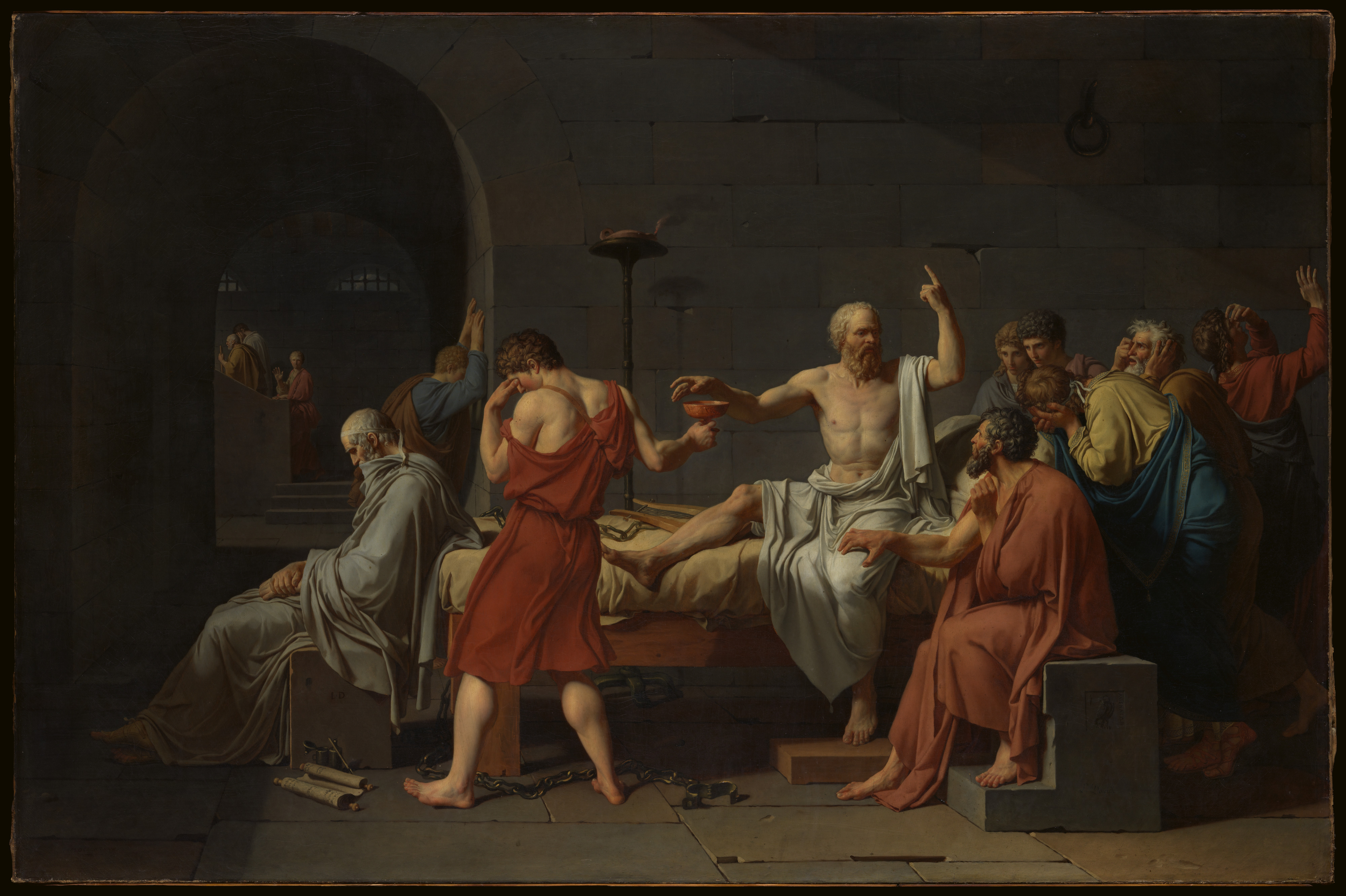
Jacques Louis David — "The Death of Socrates" (1787), public domain
A Slave King Who Breathed Fire
A Syrian slave named Eunus stands in the Sicilian night—mouth full of nuts and burning embers, with sparks leaping from his lips. His followers believe he’s touched by the gods. Rome laughs—until Eunus leads a revolt that sweeps across the island.
Sicily in Chains, Sicily in Flames
In the 130s BCE, Sicily’s vast estates are worked by tens of thousands of slaves—crushed by violence and hunger. Eunus, once forced to perform tricks for his master, weaves prophecy and spectacle into rebellion. His army defeats Roman forces, crowns him king, and coins money in his name.
The Cost of Fear and Hope
Eunus’ kingdom lasts four desperate years. When the Romans finally march in, they find a city of ashes—slaves who dreamed for a moment, then paid in blood. But every Roman landowner knows: the nightmare can rise again.
Eunus leads the largest slave revolt Rome has ever seen—turning myth and charisma into real, bloody power. For four years, the fields of Sicily burn as freed slaves crush Roman garrisons and crown Eunus their ruler. His trick? He spits out sparks and prophecy, keeping hope alive long after the odds turn hopeless.
