
Epimenides: The Sleeper of Knossos
Epimenides vanished into a Cretan cave as a boy—emerged decades later, claiming he’d slept the entire time.
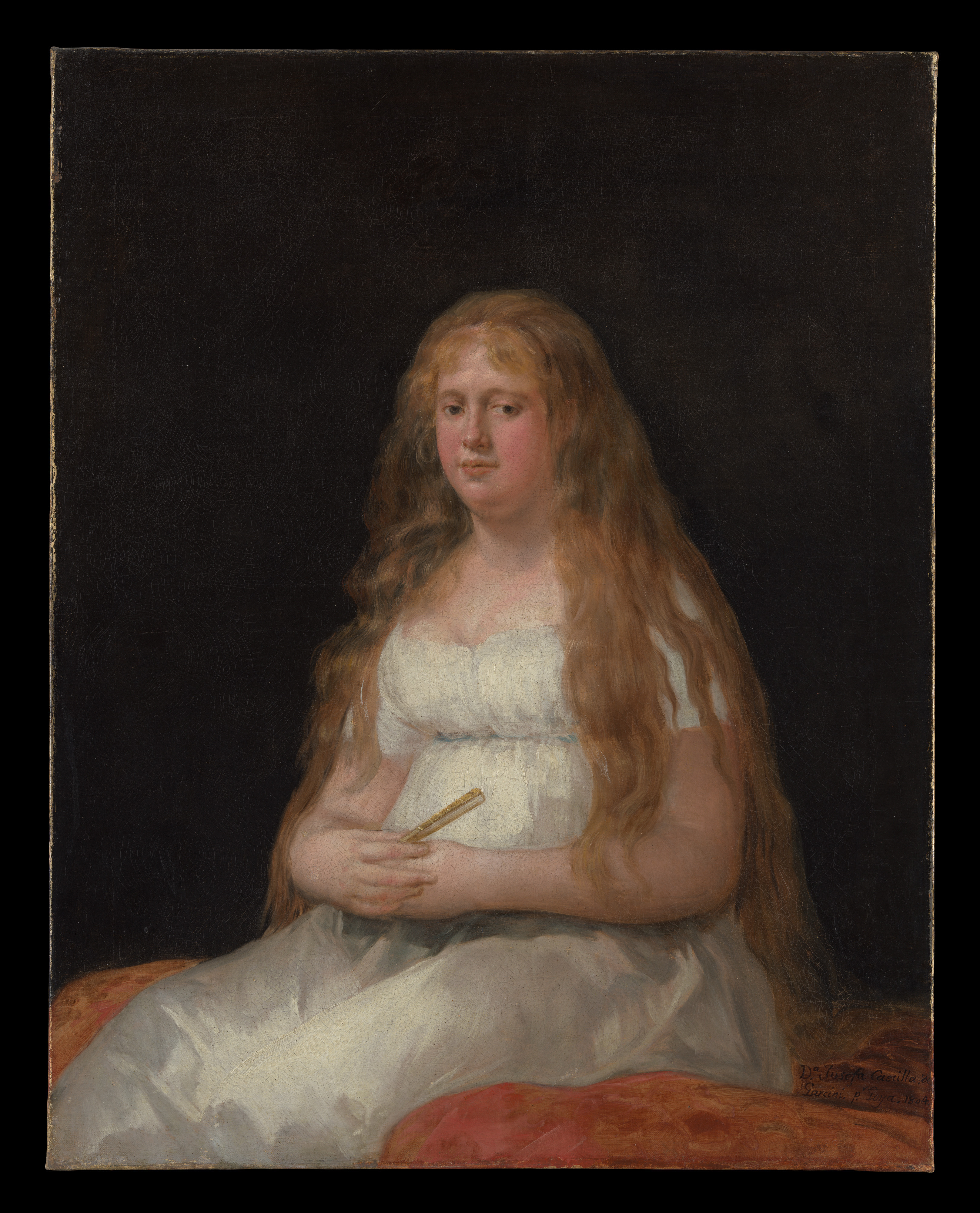
Goya (Francisco de Goya y Lucientes) — "Josefa de Castilla Portugal y van Asbrock de Garcini (1775–about 1850)" (1804), public domain
A Boy Lost, a Prophet Found
Epimenides was sent to fetch a sheep. Instead, he wandered into a cave near Knossos—then reportedly woke up, much older, having slept for decades. His hair had grown wild, his eyes saw things others missed.
Dreams More Real Than Reason
Word spread: he’d returned with powers. Epimenides spoke in riddles, healed plagues, and purified cities. Greeks debated—was he a charlatan, a mystic, or a warning that logic can’t fence in the world?
The Man Athens Couldn’t Dismiss
When disaster struck Athens, nobility sailed to Crete for Epimenides. He prayed, sacrificed, and the plague broke. Even skeptics had to admit: sometimes, you trust the sleeper over the wide awake.
In a Greece obsessed with reason, Epimenides was a living paradox—a holy man and a problem for philosophers. They called him seer, shaman, even a liar. But when Athens was struck by plague, they summoned him across the sea, trusting the wisdom of someone who’d spoken with dreams. The city survived. The line between myth and medicine was thinner than anyone admitted.
