
Epictetus on True Freedom
"No man is free who is not master of himself." Epictetus learned this lesson in chains.
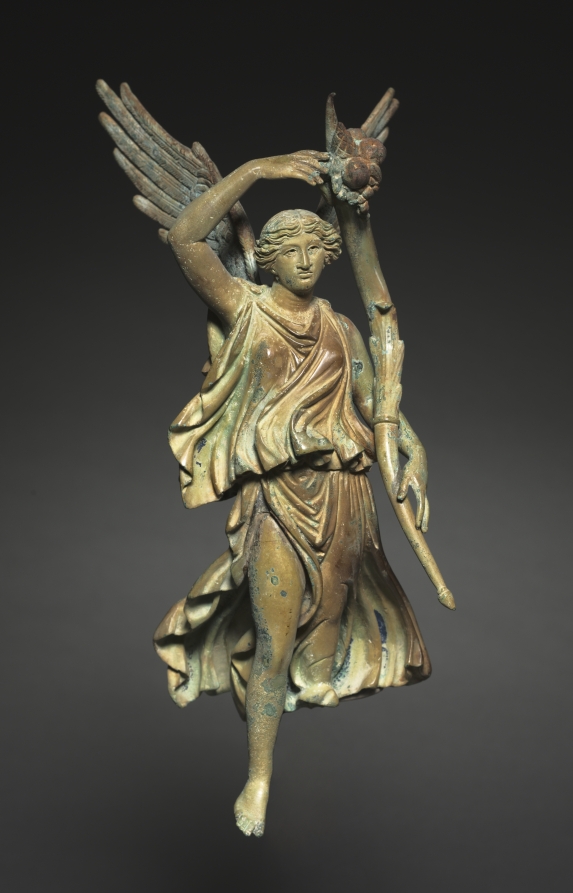
Unknown — "Victory with Cornucopia (Chariot Attachment)" (40–68 CE), CC0
Epictetus breaks the chains
Epictetus, in the Discourses (Book II, 1), proclaims: «Οὐδεὶς ἐλεύθερος ὃς οὐχ αὐτὸς ἑαυτοῦ κύριος.» — «No man is free who is not master of himself.» He said this to students who thought freedom meant permission, not discipline.
Freedom is an inside job
Epictetus had been sold in a Roman marketplace. His leg was crippled by a master. For him, freedom meant sovereignty over your own mind and choices, even if you wore chains. That's the Stoic rebellion: nobody owns you unless you let them.
The slave who taught emperors
Epictetus went from servant to philosopher, and his tiny classroom in Nicopolis drew senators and ex-gladiators alike. His words make sense to anyone who's ever felt trapped, then realized the key was inside all along.
A man born a slave flipped the Roman definition of freedom on its head. For Epictetus, chains mattered less than self-mastery. The rebels were the ones who ruled themselves.
