
Epictetus on Agency
"Some things are up to us and some are not." — Epictetus didn’t waste words. In Greek, he draws the line between what you shape and what shapes you.
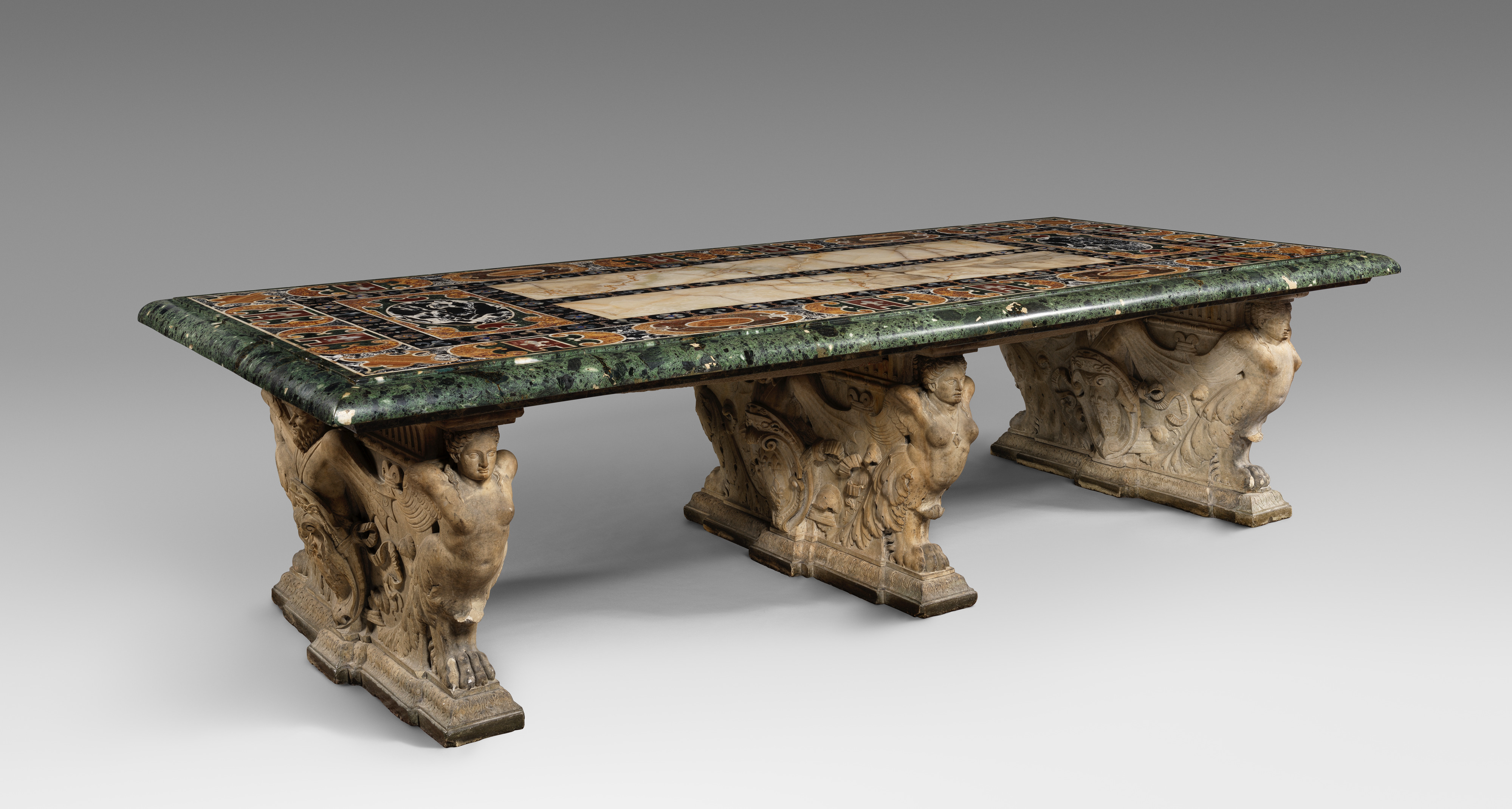
Jacopo [Giacomo] Barozzi da Vignola — "The Farnese Table" (ca. 1565–73), public domain
Epictetus’s boundary line.
In Enchiridion, Section 1, Epictetus lays it bare: «Τῶν ὄντων τὰ μὲν ἐφ’ ἡμῖν, τὰ δὲ οὐκ ἐφ’ ἡμῖν» — "Some things are up to us and some are not." He opens with this: you can’t even start Stoicism if you don’t know where your power ends.
Accept this and you’re free.
For Epictetus, who’d been enslaved and crippled, philosophy wasn’t a game. If you spend life chasing what you can’t govern — weather, death, other people — you waste it. He makes choice into armor: guard your own mind, decide your own action. That’s your kingdom.
Epictetus learned this lesson in chains, not a classroom. The heart of Stoicism beats in these words: invest only in what you can actually change. Everything else? Let it go.
