
Epictetus on How We Suffer
"It is not things themselves that disturb us, but our opinions about them." — Epictetus, slicing anxiety at the root: «Οὐ τὰ πράγματα ταράσσει τοὺς ἀνθρώπους, ἀλλὰ τὰ περὶ τῶν πραγμάτων δόγματα.»
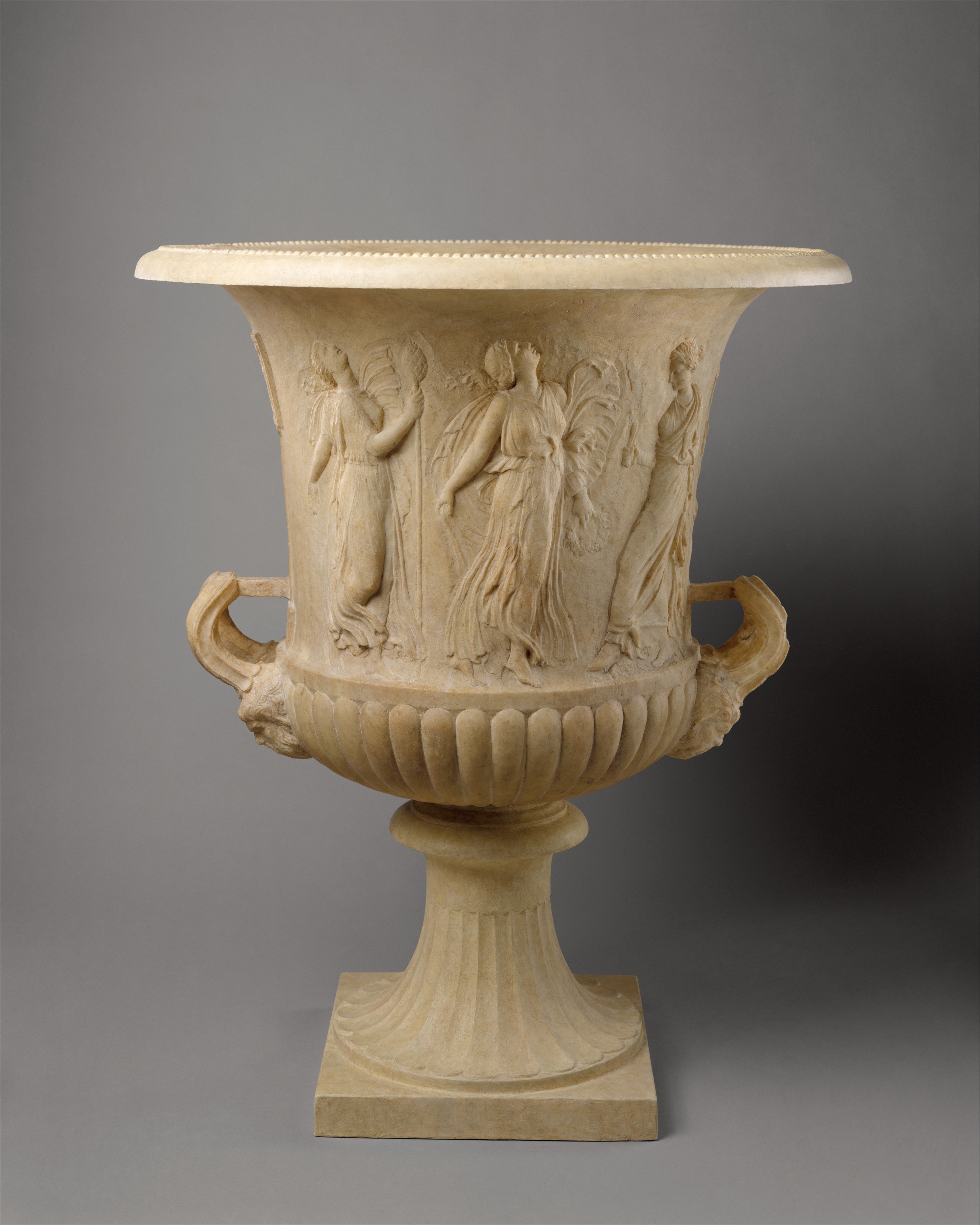
Unknown — "Marble calyx-krater with reliefs of maidens and dancing maenads" (1st century CE), public domain
The sharpest tool in the Stoic kit.
Epictetus, in the Enchiridion (Handbook), Section 5, writes: «Οὐ τὰ πράγματα ταράσσει τοὺς ἀνθρώπους, ἀλλὰ τὰ περὶ τῶν πραγμάτων δόγματα.» — "It is not things themselves that disturb us, but our opinions about them." If you’ve ever lost sleep over something imaginary, Epictetus is calling you out.
Why this is the Stoic’s master key.
He means storms, insults, even pain itself—they happen, but our judgment is what turns them into agony. The Stoic trick? Step back, and see how much of the suffering is self-made. You can’t always change the world, but you can flip the switch in your mind.
A philosopher forged in adversity.
Epictetus started as a slave, was crippled by his master's abuse, and still became the era’s most defiant teacher. He taught that even if you lose everything else, your thoughts remain your own. That is where real freedom lives.
Epictetus hands us the lever for our own minds—if we dare to use it.
