
Epictetus on Guarding Your Words
“Nature gave us one tongue and two ears, so we may listen more and talk less.” Epictetus didn’t waste a syllable.
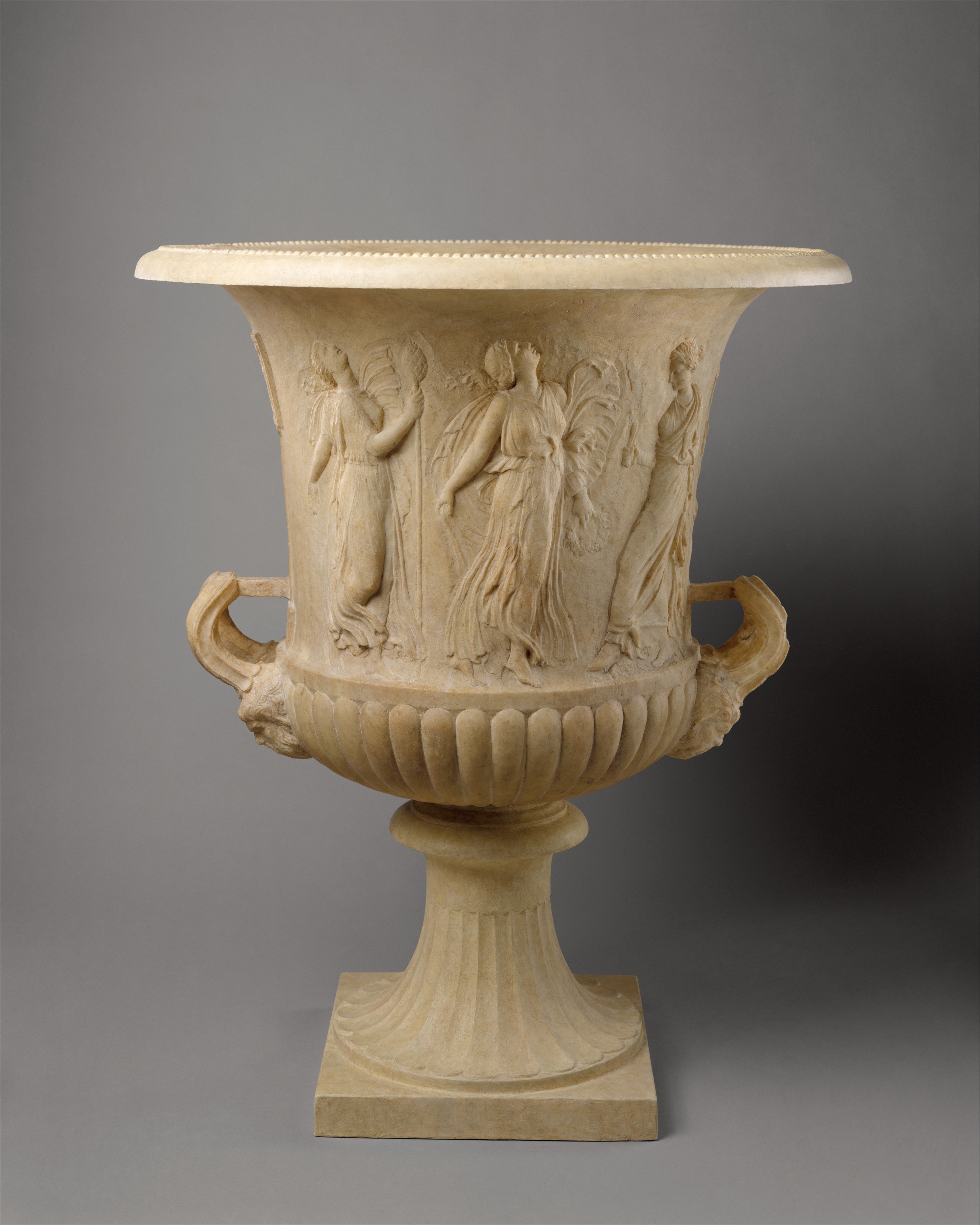
Unknown — "Marble calyx-krater with reliefs of maidens and dancing maenads" (1st century CE), public domain
One tongue, two ears — not an accident.
Epictetus, in Discourses I.17, says: «Ἡ φύσις ἡμῖν γλῶτταν μίαν ἔδωκεν καὶ ὦτα δύο.» — "Nature gave us one tongue and two ears." His punchline lands hard: it’s not just a joke about anatomy. It’s an argument for self-mastery.
What he actually meant.
Epictetus taught that talking less wasn’t shyness, but a discipline in restraint. Listening twice before speaking preserved dignity, saved you from regret, and let you see the world more clearly. In a Roman world of gossip, he treated words as weapons — not toys.
The slave who outlasted emperors.
Epictetus was a slave, then a teacher who refused flattery and made silence a badge of strength. His tongue, unlike his body, was always in his own control. The lesson still lands — in board meetings and dinner tables, silence is a rare superpower.
Epictetus, born a slave, mastered his tongue — and urged others to treat speech like gold, not cheap metal.
