
Epictetus on Inner Freedom
"No one is free who is not master of himself." — Epictetus, who started life in chains, believed freedom was a matter of the mind, not circumstance.
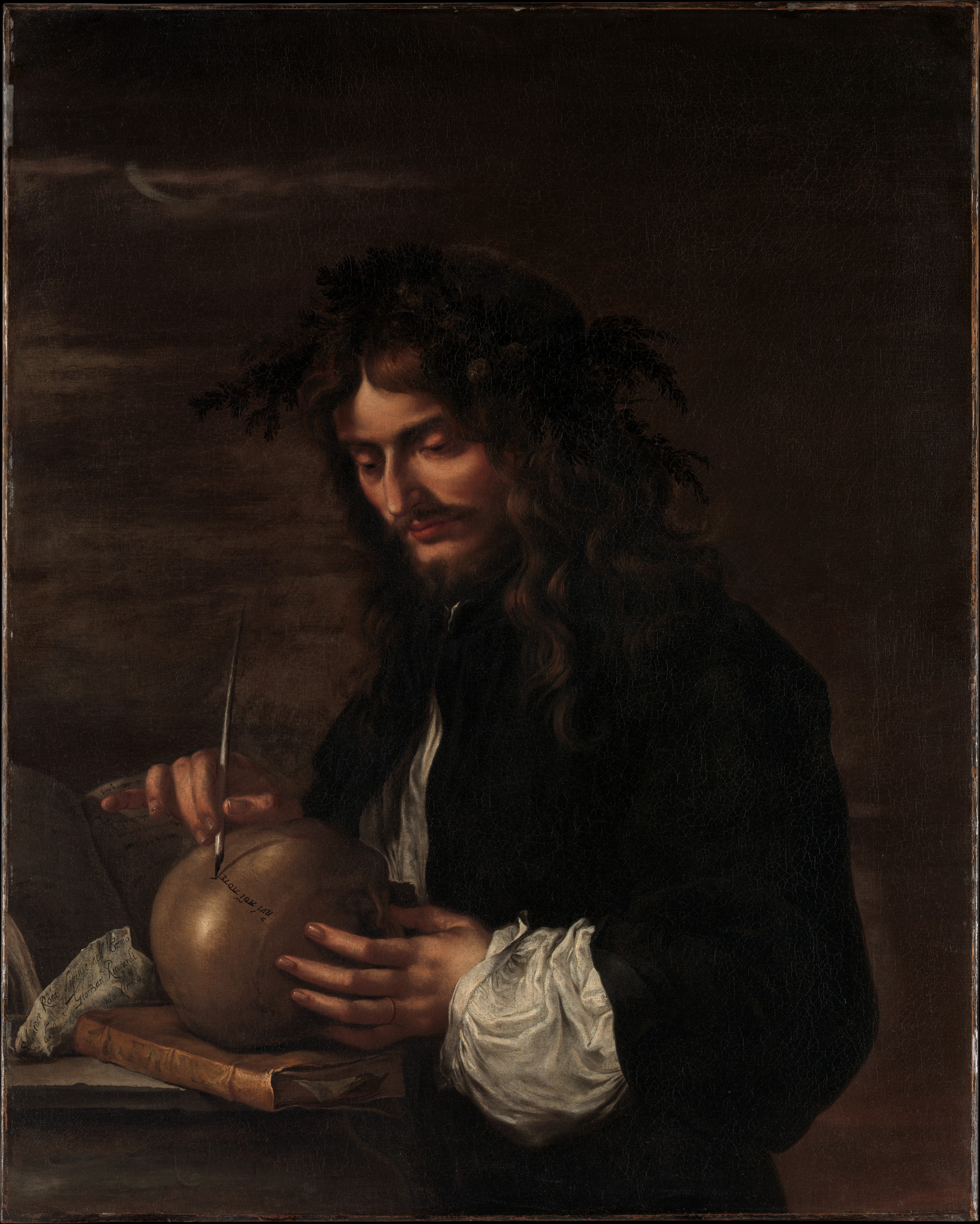
Salvator Rosa — "Self-Portrait" (ca. 1647), public domain
A slave’s definition of freedom.
In the Discourses (Book 2, ch. 1), Epictetus declares: «Οὐδεὶς ἐλεύθερός ἐστιν ὃς οὐκ ἔστιν αὐτοκράτωρ ἑαυτοῦ.» — «No one is free who is not master of himself.» He rewrote the meaning of liberty, starting from the bottom.
Chains outside, choice within.
For Epictetus, real freedom wasn’t about politics, class, or fate. If you can govern your own reactions, choices, and judgments, you are untouchable—even by emperors. He wanted self-discipline to be a fortress, not a prison.
The freedman who made emperors look small.
Epictetus was born a slave, gained his freedom, and became the teacher of future rulers. He laughed at luck and status. His life is proof that even the tightest chains can’t bind a mind trained to rule itself.
Epictetus didn’t just theorize about freedom—he bought it, inch by inch, in slavery and exile. He turned mastery of self into the ultimate rebellion.
