
Epictetus on Endurance
"If you want to improve, be content to be thought foolish and stupid." Epictetus lowered the bar so you could clear it—then made it hurt.
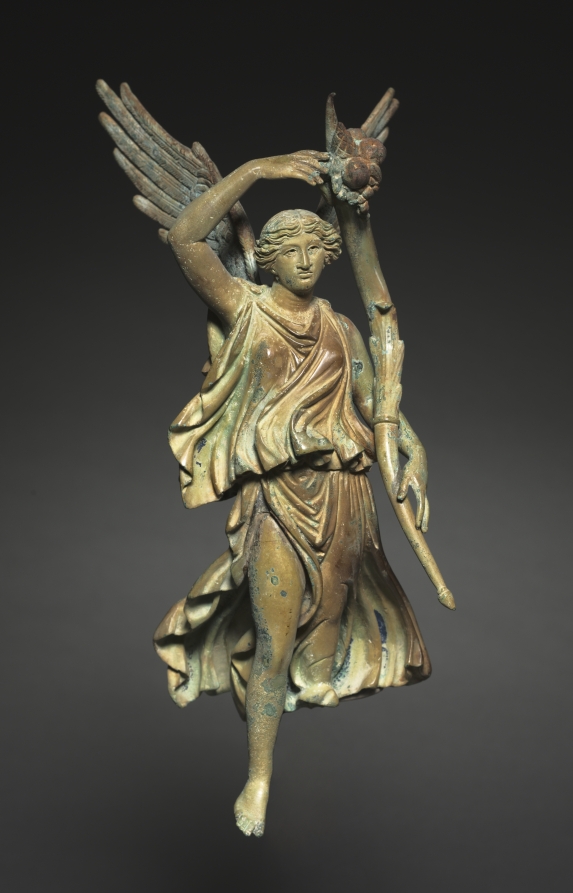
Unknown — "Victory with Cornucopia (Chariot Attachment)" (40–68 CE), CC0
Endurance, Epictetus-style.
In the Enchiridion (Handbook), Section 13, Epictetus orders: «Εἰ θέλεις ἐπιδιόρθωσιν, συγκατάνευε θεωρεῖν σε ἀλόγιστον καὶ ἄφρονα ὑπὸ τινων.» — «If you want to improve, be content to be thought foolish and stupid by others.» He calls out every fear of embarrassment.
Why Epictetus taunts public opinion.
To Epictetus, the worst prison was approval. He figured out that you can’t build virtue with an audience keeping score. Endure the sideways glances and snide remarks—they’re proof you’re doing something new. Freedom means not caring if you look lost, as long as you know your own direction.
From slavery to schoolmaster.
Epictetus started chained by another man's will and ended up unchained, building philosophers from scratch. His words sting, but they’re an armor for anyone tired of chasing applause.
Epictetus’s philosophy isn’t soft. He knew that chasing approval kills real growth faster than any hardship. Sometimes, being underestimated is step one.
