
Epictetus on Taking Responsibility
“If you are harmed, blame yourself. Or blame no one.” — Epictetus, chained by fate, made freedom start with the mirror.
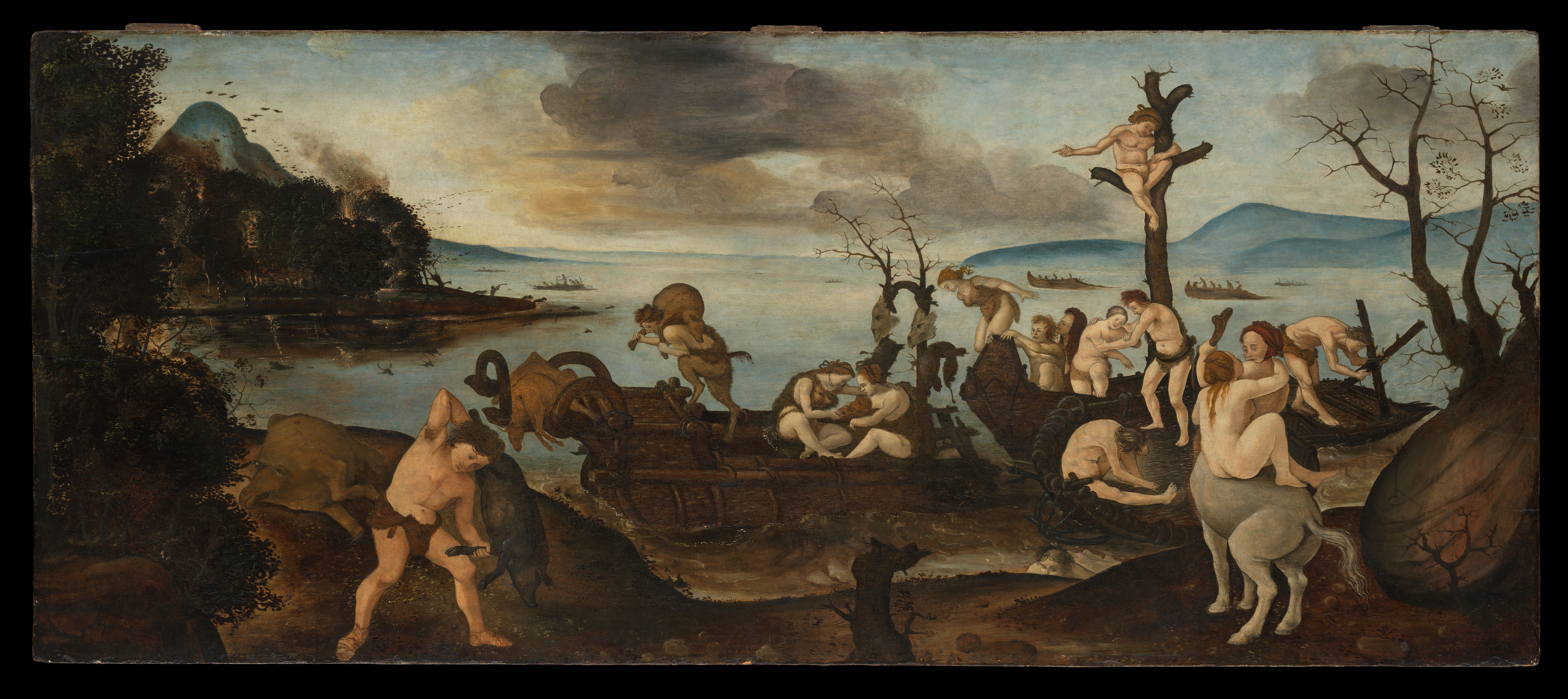
Piero di Cosimo (Piero di Lorenzo di Piero d'Antonio) — "The Return from the Hunt" (ca. 1494–1500), public domain
When hurt, look inward first.
Epictetus, in the Enchiridion (Section 5), writes: «Ἐὰν βλάβῃς, σεαυτῷ αἰτίαν ἔνειμε.» — “If you are harmed, assign the cause to yourself.” Or as he expands, blame no one. The Stoic move is to take responsibility, not revenge.
Responsibility is the ultimate freedom.
Epictetus, who had no control over his own body, realized that only our judgments are truly ours. If something wounds you, it’s your opinion — not just their action — that stings. The power is brutal, but it’s yours.
A slave’s revolt — in the mind.
Epictetus never broke the chains, but he did break the victim script. He taught students, free and enslaved, that real harm is a choice. That idea still divides rooms, and still frees people.
Epictetus taught that pain or offense comes more from our reactions than from others’ actions. That’s radical agency — and it hurts.
