
Epictetus on Freedom
"No one is free who is not master of himself." — Epictetus wasn’t talking about slaves and masters; it’s a rebellion in the mind.
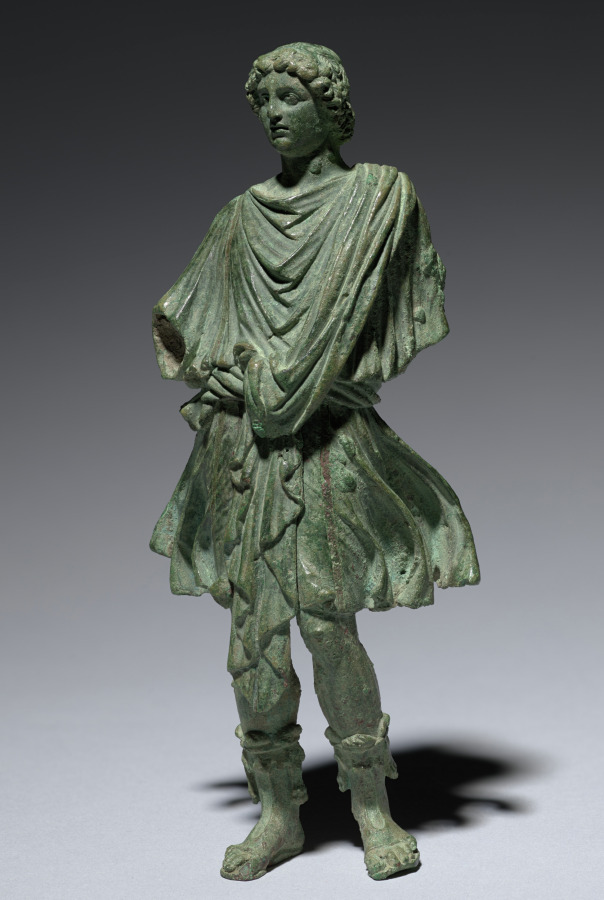
Unknown — "Lar" (1–25 CE), CC0
Epictetus redefines freedom.
Epictetus, in Discourses Book II, writes: «οὐδεὶς ἐλεύθερός ἐστιν ὃς οὐκ ἔστ’ αὐτοκράτωρ ἑαυτοῦ» — «No one is free who is not master of himself." A slave who commands his thoughts is freer than a master lost in passions, he argued.
True chains are internal.
For Epictetus, freedom isn’t granted by law — it’s wrestled for inside your own mind. He saw men in togas ruled by ambition, fear, greed; he saw slaves serene. Control yourself, he said, and the world loses its power over you.
The slave who outgrew masters.
Once a slave to Nero’s secretary in Rome, Epictetus limped from a broken leg and a tougher youth. He taught in a bare room, but students flocked from across the empire. His lesson? Anyone can be free, if they command themselves — and that still stings true.
Epictetus knew slavery firsthand. His philosophy turns freedom into an inner battle, not a legal status.
