
Epictetus on Escape and Agency
"The door is open." — Epictetus gives you permission to walk away from what torments you.
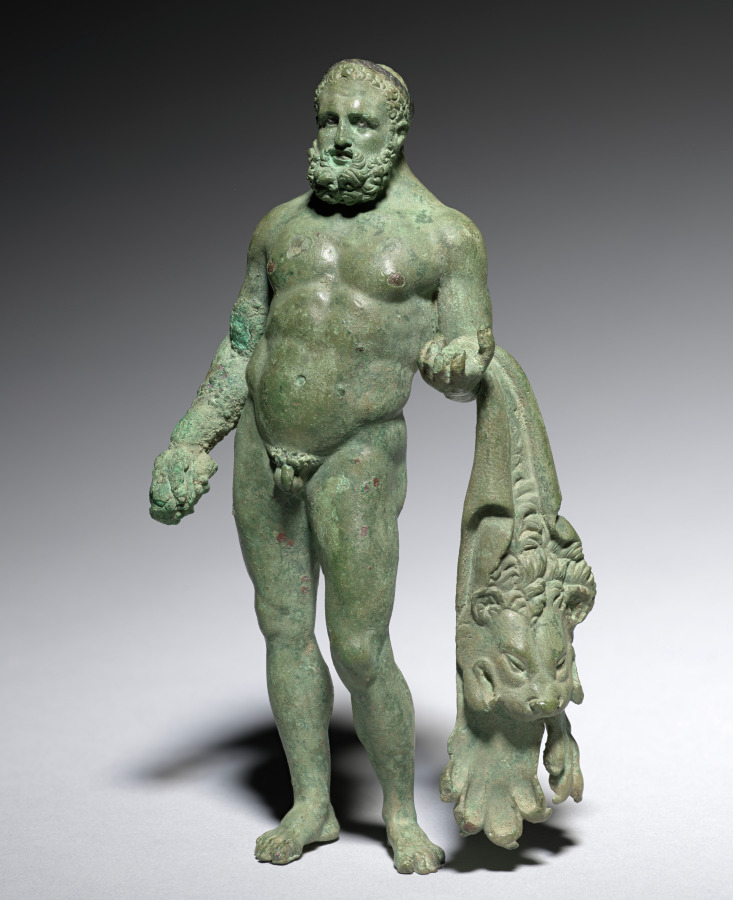
Unknown — "Hercules" (c. 30 BCE–20 CE), CC0
Epictetus’s radical exit line.
In Discourses (Book I, 25), Epictetus turns to a struggling student and says: «ἡ θύρα ἀνέῳγε» — «The door is open.» He meant it literally: the classroom door, the city gate, even the exit from life. But he also meant every trap we build for ourselves.
What freedom really means.
Epictetus was once a slave. His Stoicism is about agency — the only chains that truly bind are the ones you can’t see. For him, remembering 'the door is open' is how you reclaim your freedom, even in a world that feels locked tight.
A philosopher with scars.
Epictetus was born a slave and walked with a limp, thanks to a master who broke his leg. He taught true freedom can’t be taken away, even when your body is in chains. That stubborn resilience is why his words hit as hard now as they did in Rome.
Epictetus’s words weren't about literal doors. They’re the Stoic equivalent of: you can always leave what makes you miserable. It’s not permission for despair, but a reminder that ultimate agency sits with you.
