
Epictetus on Freedom from Suffering
"The door is open." — Epictetus gave this stark advice to those feeling trapped by life's misery.
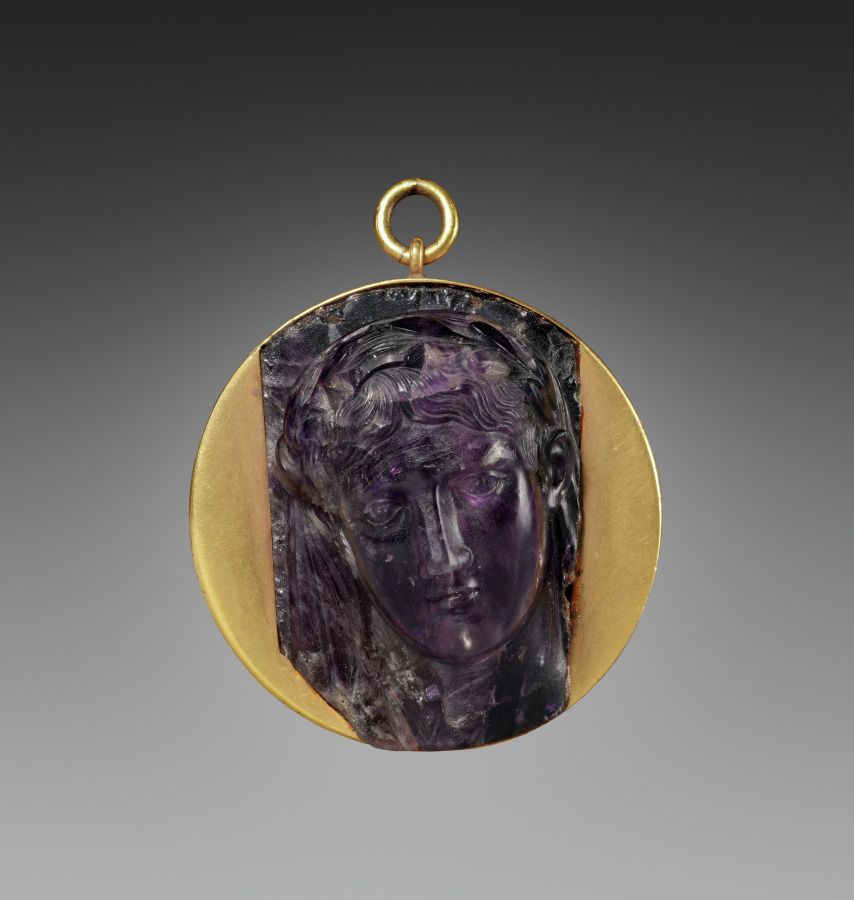
Unknown — "Cameo: Head of a Woman" (1–100 CE), CC0
"The door is open" — Epictetus' razor edge.
Epictetus, in his Discourses (Book I, 25), tells his listeners: «ἡ θύρα ἀνεῳγμένη ἐστίν» — «The door is open.» If life becomes unendurable, he says, you are not chained. Harsh, but for Stoics, the ultimate reminder: you always have a way out.
The meaning: radical responsibility.
To Epictetus, this wasn't an invitation to despair. It was a call to recognize your freedom, even in suffering. To endure what you must, to leave what you can't bear. He was speaking to slaves, exiles, the desperate — and insisting they still had agency.
Who was Epictetus?
Born a slave, crippled as a child, Epictetus bought his own freedom and became a philosopher in Rome, then Nicopolis. He taught that nothing is truly yours except your mind and choices. That's what makes his words land so hard, even now.
For Epictetus, philosophy wasn't about flowery language. It was about brute honesty with life's limits and possibilities. When you feel boxed in, the Stoic answer is clarity, not complacency.
