
Epictetus: Broken Body, Unbroken Mind
A master wrenches his leg until it snaps. Epictetus—still a slave—barely flinches. 'I told you it would break,' he says quietly.
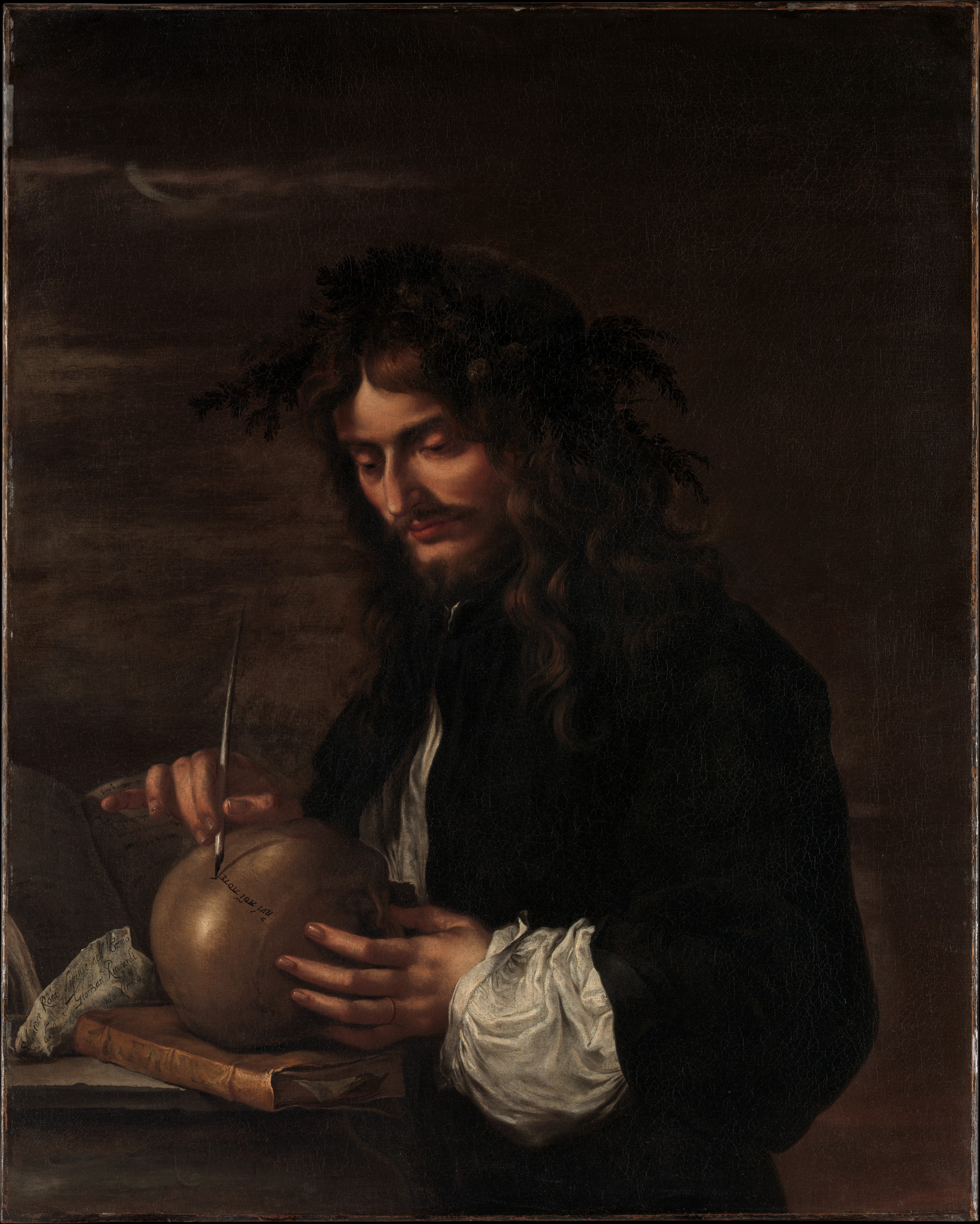
Salvator Rosa — "Self-Portrait" (ca. 1647), public domain
A Slave’s Leg Twists, But Not His Will
A Roman master twists Epictetus’ leg until the bone snaps. The slave remains calm—then simply tells his owner it was bound to break. No scream. Just a quiet statement of fact.
Chains on the Body, Freedom in the Mind
Born a slave, Epictetus limps through Rome, learning to separate pain from suffering. Once freed, he attracts crowds with a radical message: the world can shatter you, but your mind is your own fortress. His students include future emperors.
From Brokenness to Wisdom for the Ages
The man with the ruined leg shapes Stoic thought for centuries. His teachings echo through time—etched not in marble, but in hard-won resilience. Pain, he showed, is inevitable. Misery is optional.
He grows up limping through the streets of Rome, property of another man. His body is twisted, but his mind is his own. Later, freed at last, Epictetus teaches emperors and generals that the only true freedom lies inside: the power to choose your response to suffering.
