
The Betrayal at Thermopylae
The Greeks were holding the mountain pass—until one of their own showed the Persians a hidden goat path at night.
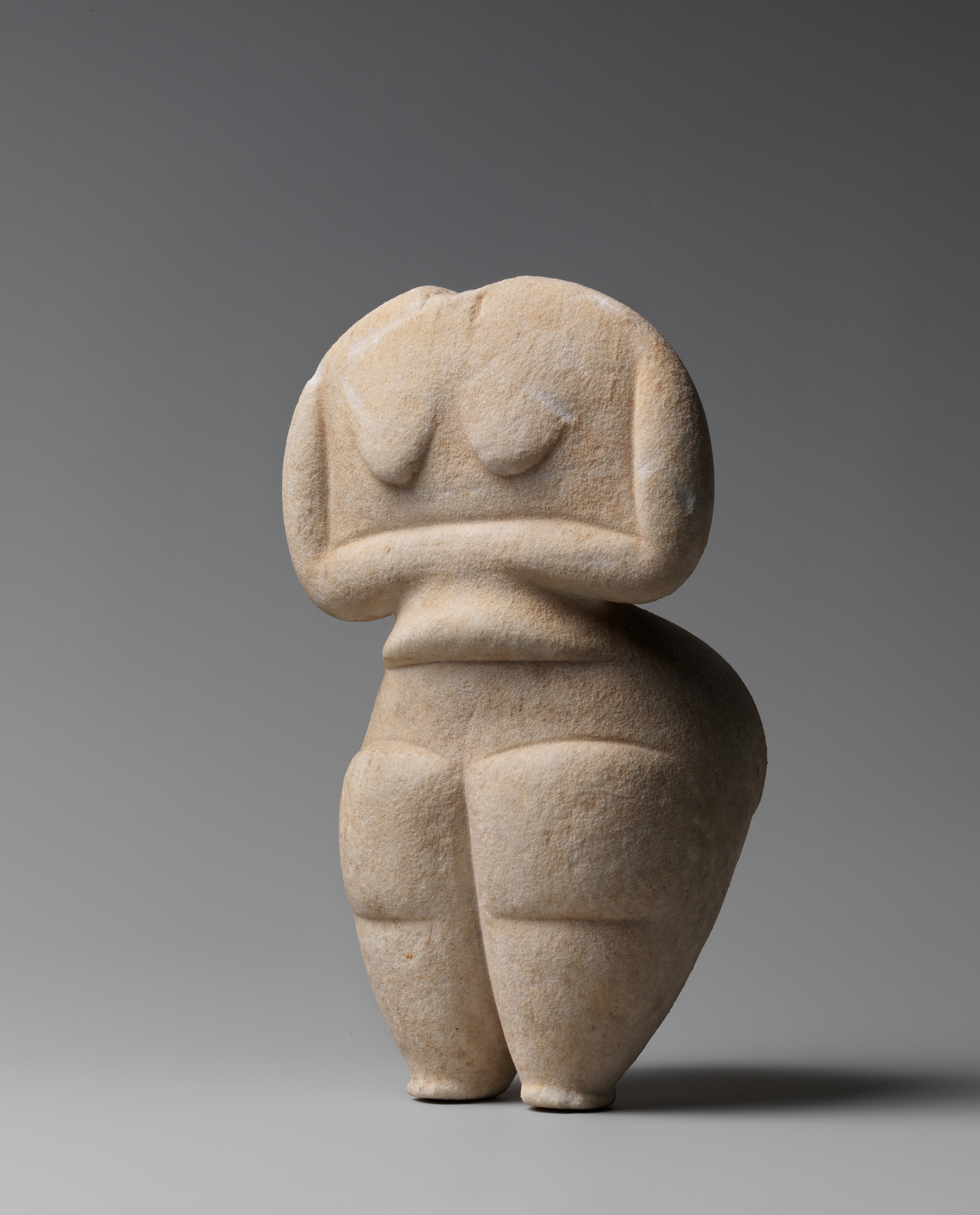
Unknown — "Marble female figure" (4500–4000 BCE), public domain
A mountain pass, a desperate stand.
In 480 BC, King Leonidas and a few thousand Greeks blocked the pass at Thermopylae. Persian numbers dwarfed theirs, but narrow terrain evened the odds. For two days, Greek shields held the line.
The goat path—betrayal under moonlight.
A local man, Ephialtes, slipped into the Persian camp and revealed a secret trail over the mountains. That night, the Persians marched single file through the dark, flanking the Greeks before dawn. Leonidas stayed with his men and fought to the last.
A name cursed for centuries.
According to Herodotus, Ephialtes became one of the most reviled figures in Greek history. For generations, his name was used as the word for 'nightmare.' The Greeks’ stand still echoes—but betrayal turned resolve into tragedy.
Ephialtes’ act of betrayal doomed Leonidas and his men, turning what could have been a miraculous stand into a heroic last gasp. His name became a byword for “nightmare” in Greek.
