
On This Day: The Dog Star Scorches Athens
Around July 13, Athens bakes under Sirius—the Dog Star. The heat is stifling, tempers short, and sleep is for the lucky.
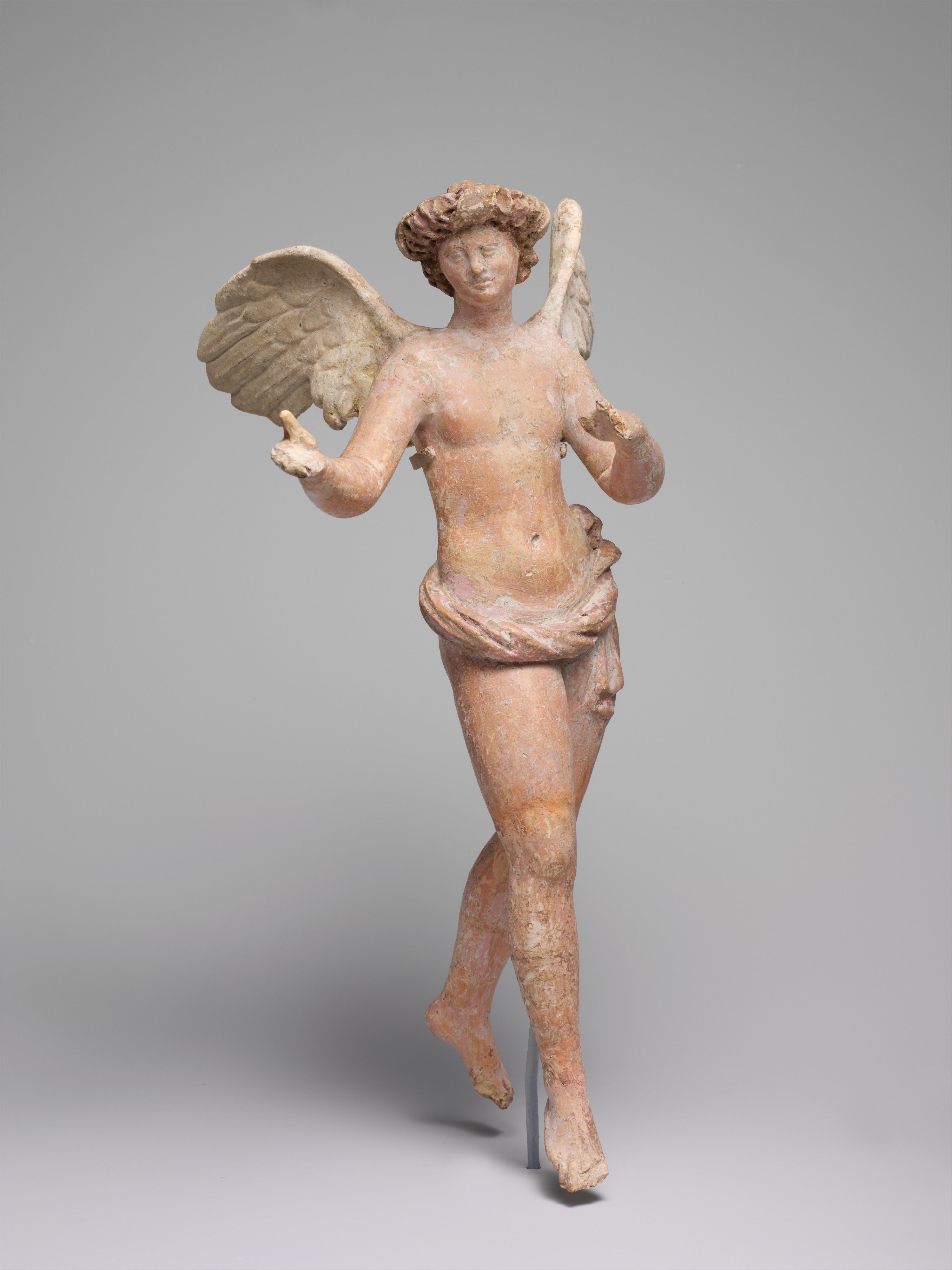
Unknown — "Terracotta statuette of Eros flying" (ca. 200–150 BCE), public domain
When the Dog Star rises, Athens sweats.
By mid-July, Greeks saw the rising of Sirius, the brightest star after the sun. Its heliacal rise signaled the start of the 'dog days,' when the heat could drive men mad, crops withered, and even the priests muttered prayers for relief.
Dog days, short tempers, restless gods.
Hesiod and later writers warned: this stretch of summer was best for lying low. The air shimmered, bread dried to dust, and malarial fevers stalked the rivers. The dog days pressed the city until the first storms finally broke—if they came at all.
The ancients watched Sirius rise each summer, marking the dangerous 'dog days'—a season of drought, fever, and frayed nerves. Even the gods got restless in this glare.
