
Diogenes and the Lantern
At noon, Diogenes walked through Athens with a lit lantern, searching for an 'honest man.'
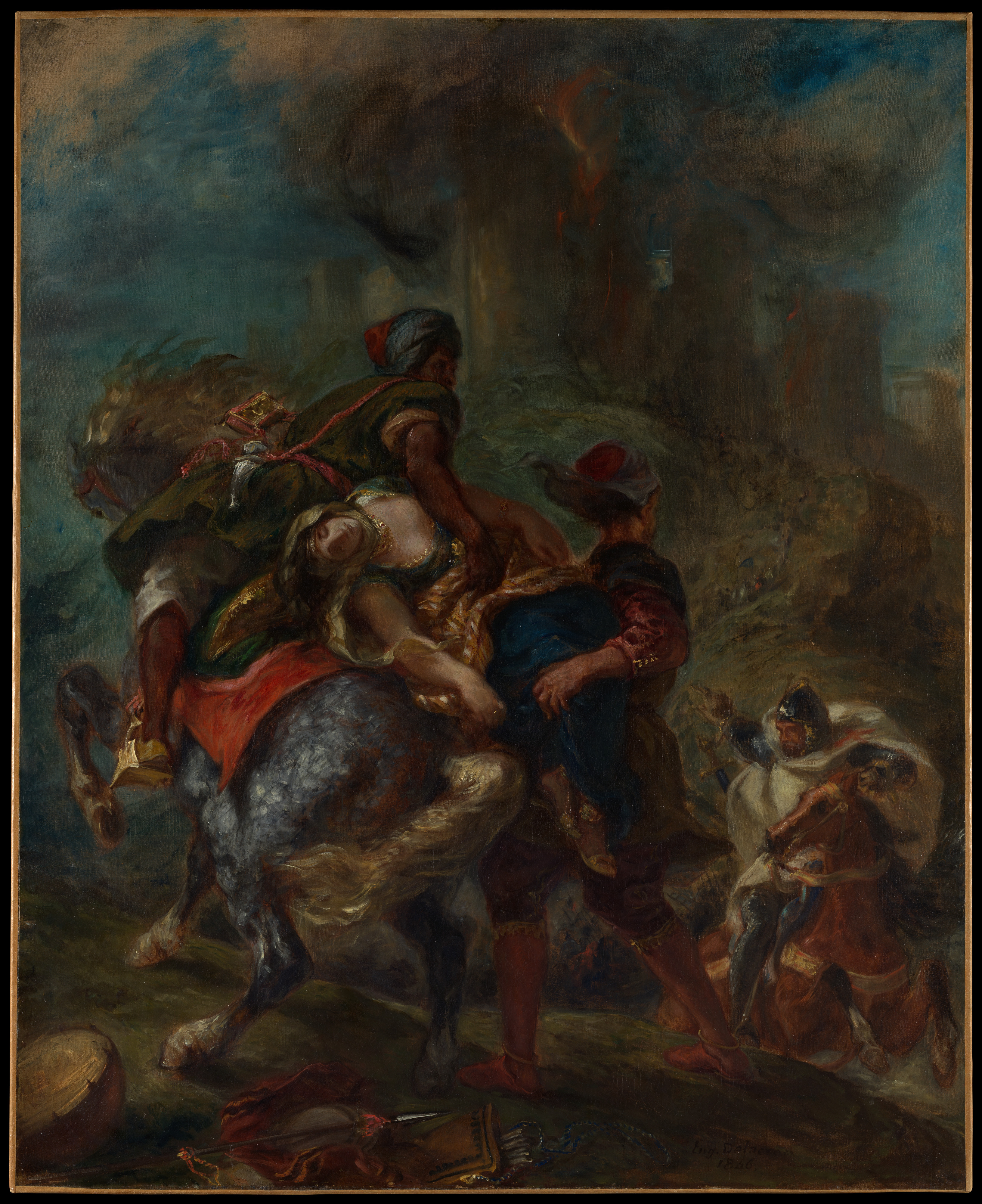
Eugène Delacroix — "The Abduction of Rebecca" (1846), public domain
A Lantern at Noon.
Diogenes the Cynic was infamous for stunts, but none so memorable as walking the sunlit streets of Athens—lantern in hand, eyes narrowed, searching the crowds. People asked, what was he looking for? He replied, 'An honest man.'
Philosophy, by provocation.
To the Athenians, famous for their clever talk and public boasting, Diogenes was a walking insult. He made his point with gestures, not speeches. The lantern? A jab at the city’s morality. Not a single person, he implied, could meet his absurdly simple standard.
He turned scorn into legend.
Centuries later, Diogenes’ name still means radical honesty—though the Athenians mostly just stared at him like he was mad. Sometimes philosophy is a prank with a purpose.
With a lantern in broad daylight, Diogenes mocked his city’s pride—and dared anyone to live up to the word 'honest.'
