
Crassus and the Parthian Head
Crassus led seven legions east—then watched his own severed head take center stage in a foreign king’s playhouse.
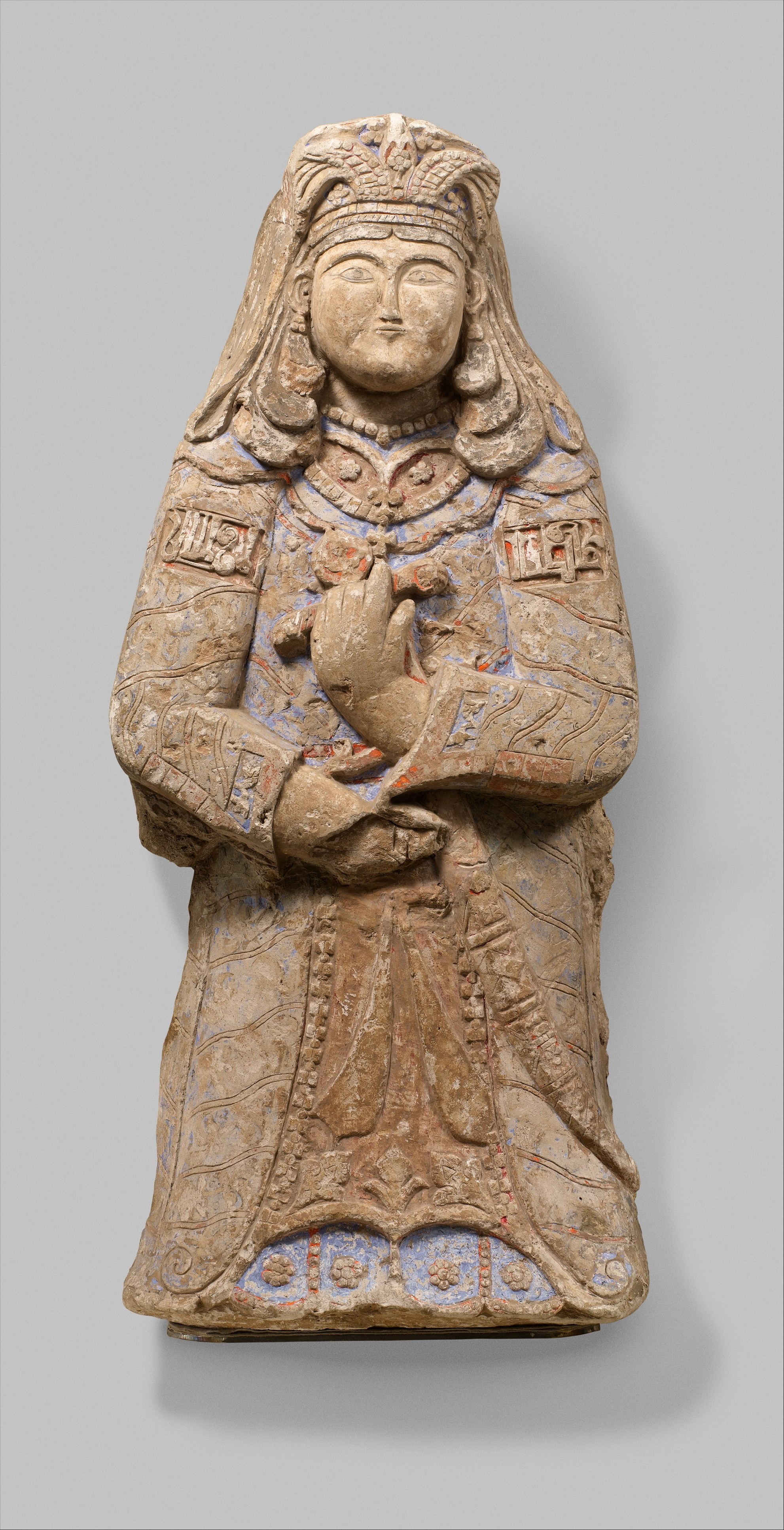
Unknown — "Standing Figure with Feathered Headdress" (12th–early 13th century), public domain
Greed Marches East.
In 53 BC, Marcus Licinius Crassus—Rome’s richest man—marched into Parthia chasing gold and glory. His army was crushed at Carrhae, his son killed beside him. Crassus tried to parley with the enemy and was seized, executed, and legend says, had molten gold poured down his throat.
A Head for the Stage.
The real humiliation came later. Parthian king Orodes II used Crassus’s head as a prop in a production of Euripides’ Bacchae, right in front of Roman prisoners. The once-mighty general’s face became a gruesome mask for the god Pentheus. Even in death, Rome could not look away from its folly.
Crassus’s greed for Parthian gold ended in disaster, humiliation, and the loss of Rome’s eastern might. His death was so infamous, Parthians used his head as a prop in their version of Euripides’ Bacchae.
