
Corbulo: Honor and the Sword
The emperor’s letter arrives in the Syrian night. Corbulo reads it, bows to protocol, and falls on his own sword before sunrise.
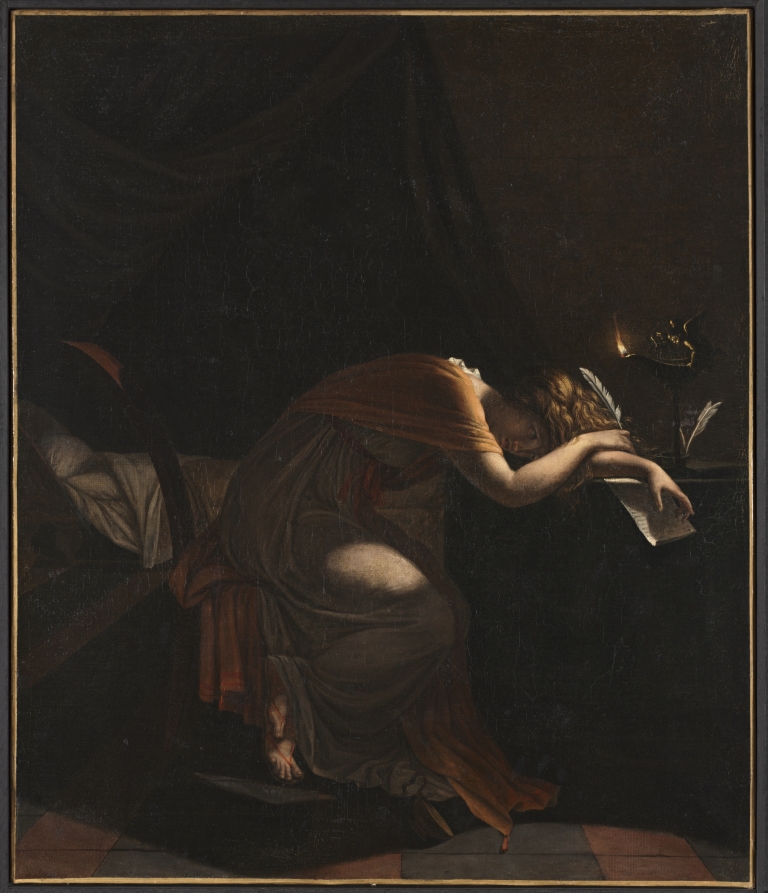
Pierre Guérin (French, 1774–1833) — "The Death of Sophonisba" (c. 1810), CC0
A General's Final Orders
The letter is curt: a message from Emperor Nero, delivered by armed escort. Gnaeus Domitius Corbulo, conqueror of Armenia, is to die by his own hand. In silence, Corbulo salutes the imperial seal, unsheathes his sword, and collapses onto the blade—his last words a command: 'Axios!' (I am worthy).
Duty to Death, Roman Style
Corbulo rebuilt legions and won impossible campaigns. But in Nero’s Rome, victory could breed envy quicker than failure. The Senate gossips, and one imperial order outweighs all medals. Corbulo’s suicide is not just obedience—it’s a performance for a system where public loyalty is valued more than survival.
Who Really Won?
Rome buried Corbulo with a hero’s rites, but the real message lingered: glory and suspicion grow together. In the empire, being indispensable can be fatal.
Even Rome’s most celebrated general was not safe from imperial suspicion—and for Corbulo, honor meant obedience, even to a death sentence delivered by courier.
