
Clodius and the Bona Dea Scandal
A Roman aristocrat snuck into a women-only religious rite disguised in a veil—hoping to see his lover or maybe just cause chaos.
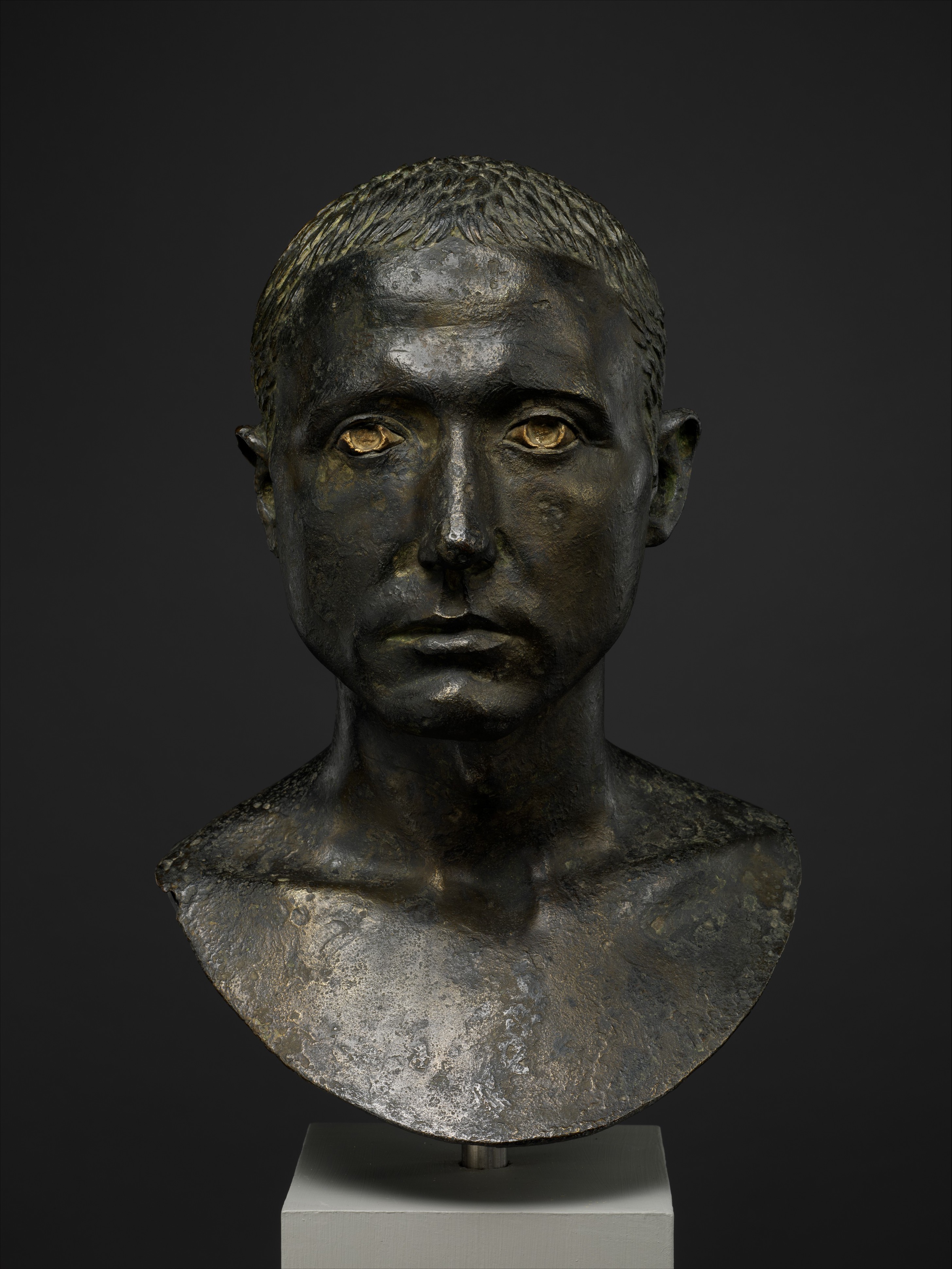
Unknown — "Bronze portrait bust of a man" (ca. 50 BCE–54 CE), public domain
The night Clodius slipped in—veiled.
It’s winter in 62 BC. The Bona Dea festival is underway at Julius Caesar’s house—no men allowed. Clodius Pulcher, hungry for gossip or mischief, disguises himself as a woman and sneaks in, hoping to catch Caesar’s wife, Pompeia, in a compromising situation. Someone spots a stranger’s too-deep voice. Panic erupts.
Scandal in the Senate, trial in the streets.
Caesar divorces Pompeia with the icy line, 'Caesar’s wife must be above suspicion.' Clodius lands in court, defended by a who’s who of Roman lawyers—Cicero included. The trial becomes a circus. Despite clear guilt, Clodius is acquitted after massive jury bribery. The rift between Rome’s most powerful men only widens.
No one truly escapes the fallout.
Clodius becomes more infamous than ever, Pompeia’s reputation is ruined, and Caesar’s unspoken warning—appear blameless, or else—echoes through Roman society. From now on, political battles will be fought as much with private slander as in open war.
Publius Clodius Pulcher provoked one of the wildest scandals in Roman history by dressing as a woman to invade a secret festival—unleashing a courtroom circus that exposed elite rivalries and shattered political alliances.
