
Clodia: The 'Medea of the Palatine'
She throws her lover’s poems into the Tiber, then hosts poets and politicians at midnight parties on Rome’s most scandalous hill.
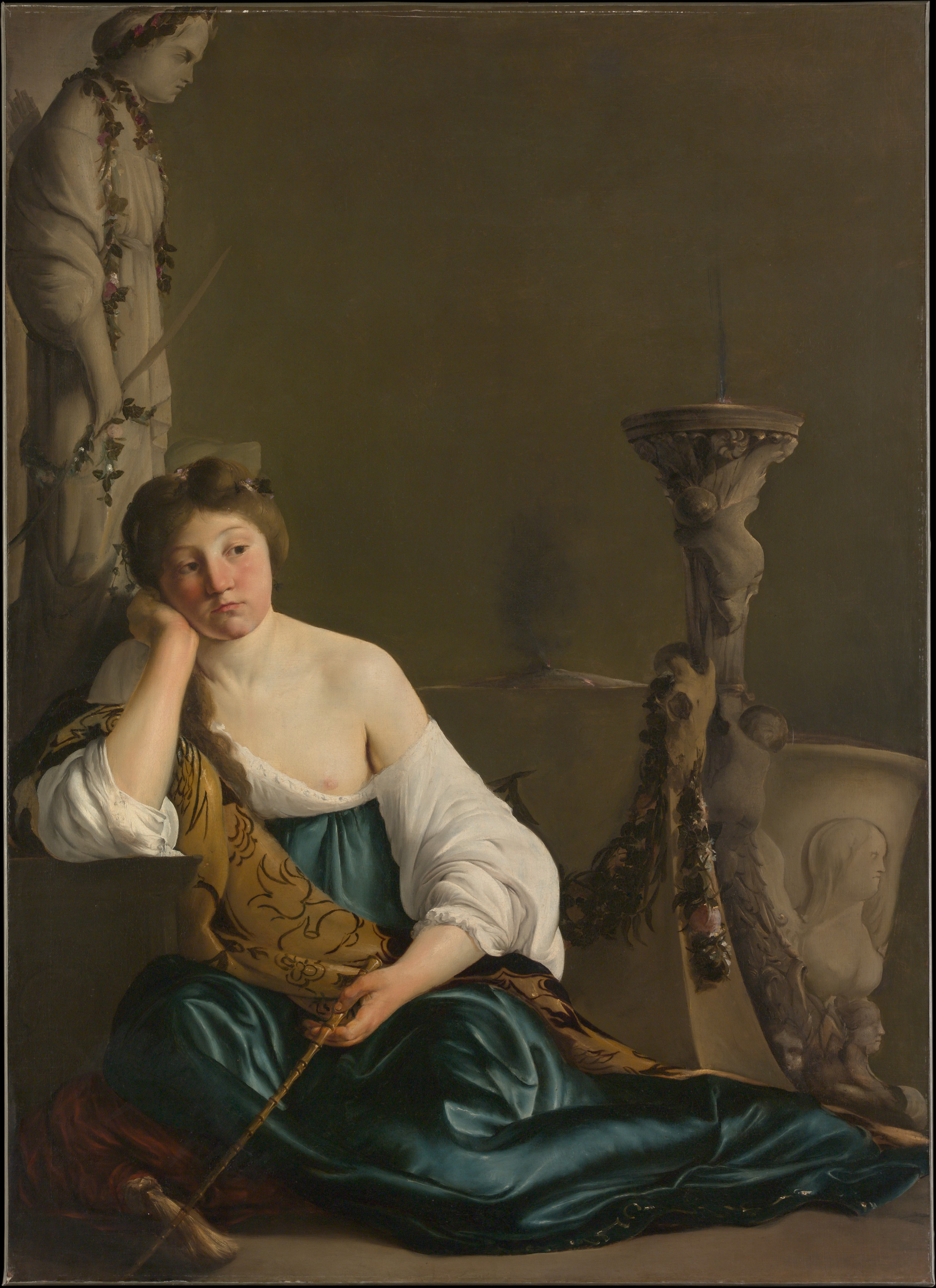
Paulus Bor — "The Disillusioned Medea" (ca. 1640), public domain
Fame and Infamy at Midnight
Clodia ruled her Roman salons with wit and charm, but also with poison-tipped rumors. One night she’s the muse of Catullus, inspiring verses that sting and burn. The next, she’s on trial, accused by Cicero of murder and incest—her name a weapon in every mouth.
Power Behind Closed Doors
In a city where women stay silent, Clodia flung open her doors to poets, senators, and even slaves. She twisted public opinion with a letter or a whispered story. Was she a danger, a victim, or both? Rome debated, and Clodia only smiled.
Legend Outlasting Life
The real Clodia slips through the cracks—her reputation a puzzle built from love poems and court transcripts. Centuries later, we still wonder where the woman ended and the myth began.
Clodia was a senator’s daughter, accused of every sin in the book. Her enemies called her 'the Medea of the Palatine.' But she shaped the city’s gossip, politics, and even its poetry—sometimes with a wink, sometimes with venom. The line between truth and rumor was always in her hands.
