
Cincinnatus: The Reluctant Dictator
Summoned from his tiny farm, Cincinnatus saved Rome—then walked home and picked up his plow.
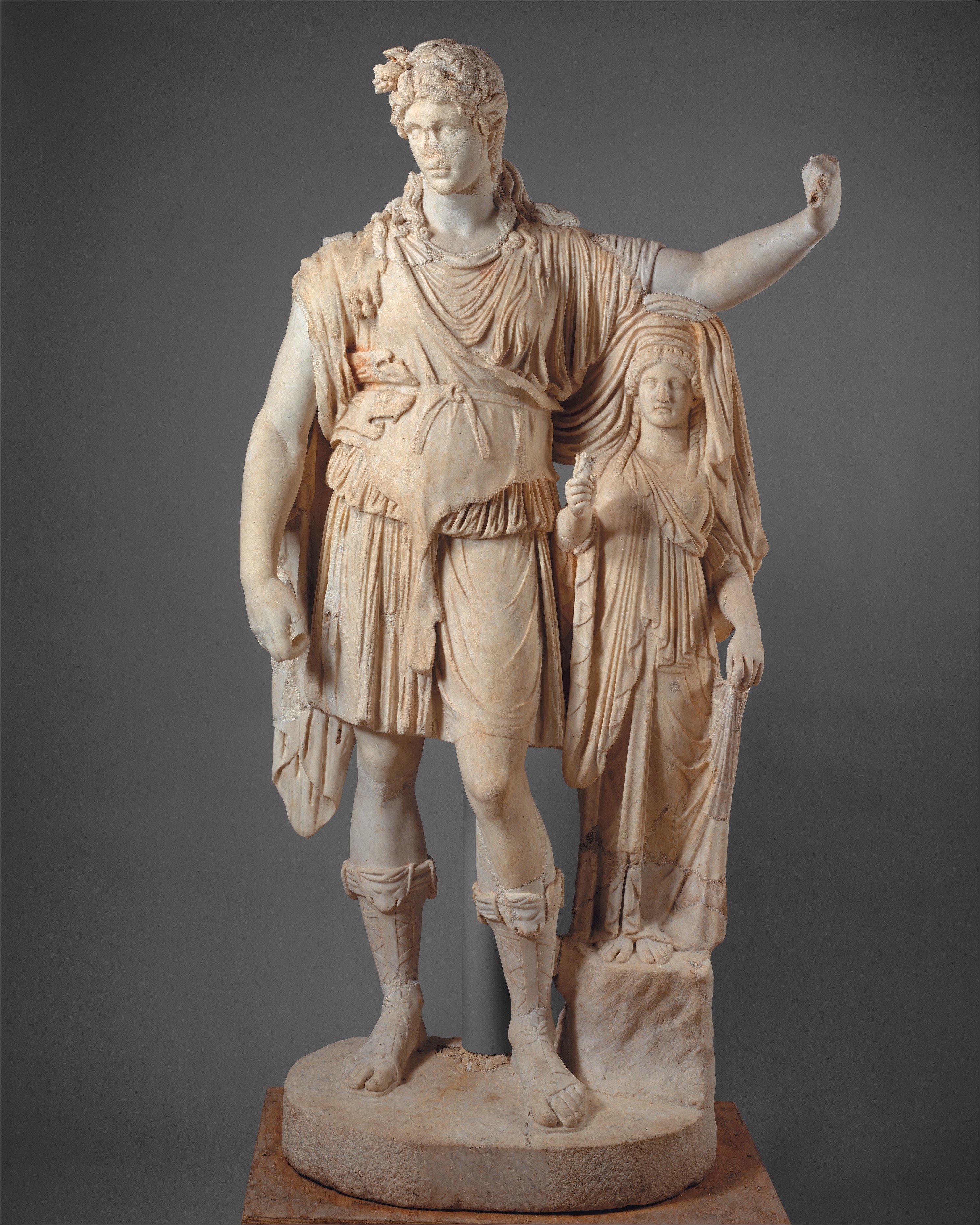
Pacetti, Vincenzo — "Statue of Dionysos leaning on a female figure ("Hope Dionysos")" (27 BCE–68 CE), public domain
The farmer called by crisis.
In 458 BCE, Rome was in danger—a rival tribe had trapped a Roman army. The Senate sent envoys to a farm, where Lucius Quinctius Cincinnatus was found sweating behind an ox. He dropped his plow, donned the purple cloak of a dictator, and hurried to Rome.
Sixteen days, one victory, no ego.
Cincinnatus assembled fresh troops, attacked at night, and rescued the Romans in a single stroke. With absolute power in his grasp, he did something rare: he gave it all back. After just 16 days, he resigned and went home. To generations of Romans, he was the anti-tyrant—the leader who wanted nothing except a return to normal life.
In an age of power-hungry rulers, Cincinnatus became dictator, defeated Rome’s foes in just 16 days, and resigned his unlimited power. The legend haunted Roman politics for centuries.
