
Cicero, Master of Words and Doubt
Cicero faces a dictator with only his voice and a trembling scroll—knowing that each speech could sign his death warrant.
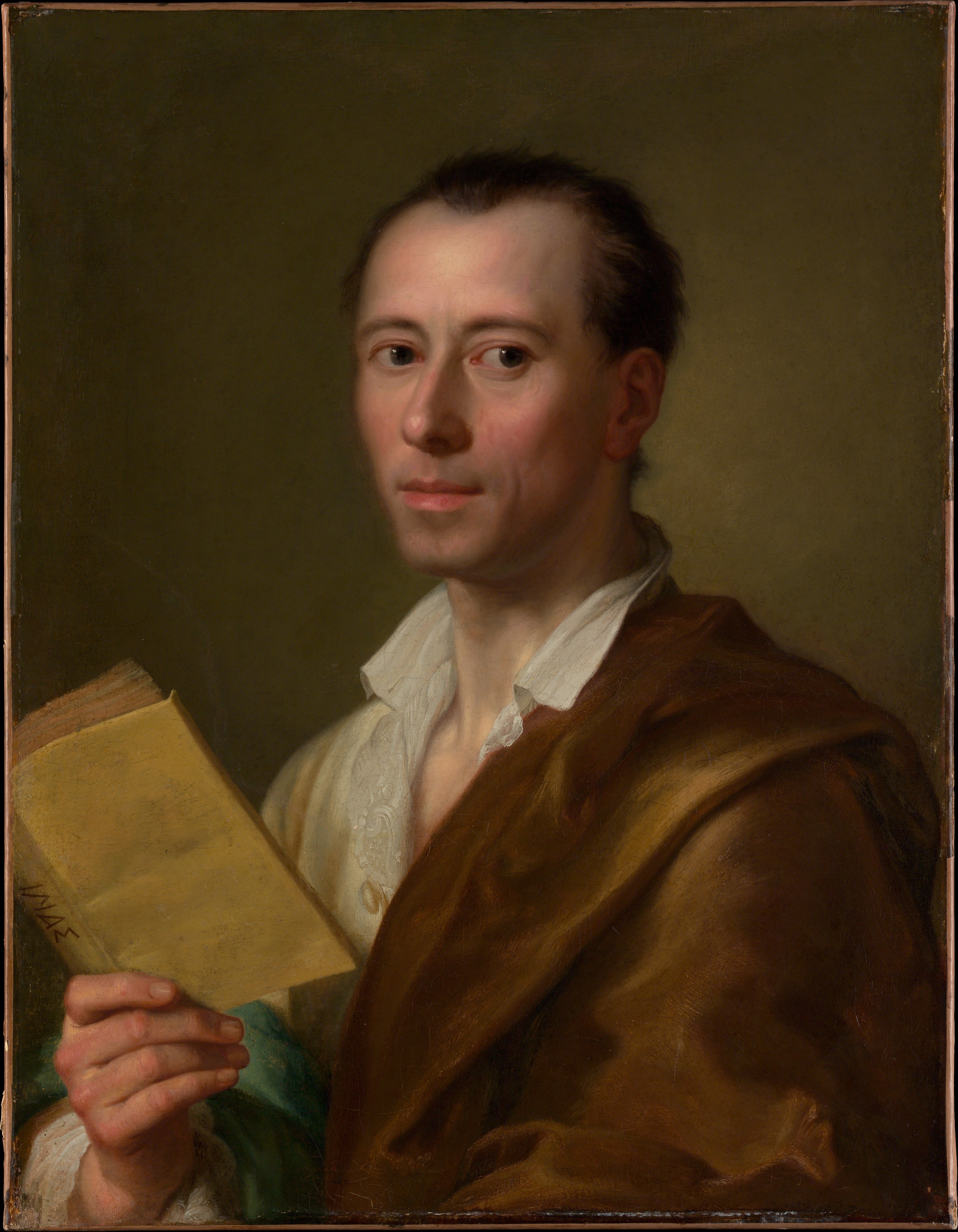
Anton Raphael Mengs — "Johann Joachim Winckelmann (1717–1768)" (ca. 1777), public domain
Words Against the End of Rome
In the Senate, Cicero unfurls a trembling scroll and fixes his eyes on Catiline, the traitor. He does not draw a sword—he draws sentences, each sharper than steel.
The Republic in His Hands
Cicero was a 'new man,' not born to power. His oratory alone won him Rome’s highest office. But as civil war closed in, he watched old rules collapse—and confessed in his private letters that even he was lost.
Doubt as Legacy
Cicero’s words outlasted every dictator he faced. Yet his greatest line might be this: that even the boldest voice is never sure.
In a city spiraling toward civil war, Cicero clung to the brittle idea of the Republic. He out-argued conspiracy, named traitors in public, and still wrote letters admitting he had no idea if he was saving Rome or sealing his own fate. Brilliance and fear—writ large in every line.
