
Cicero and the Catiline Conspiracy
In the freezing winter of 63 BC, Cicero mounted the Senate steps—knowing assassins were already inside.
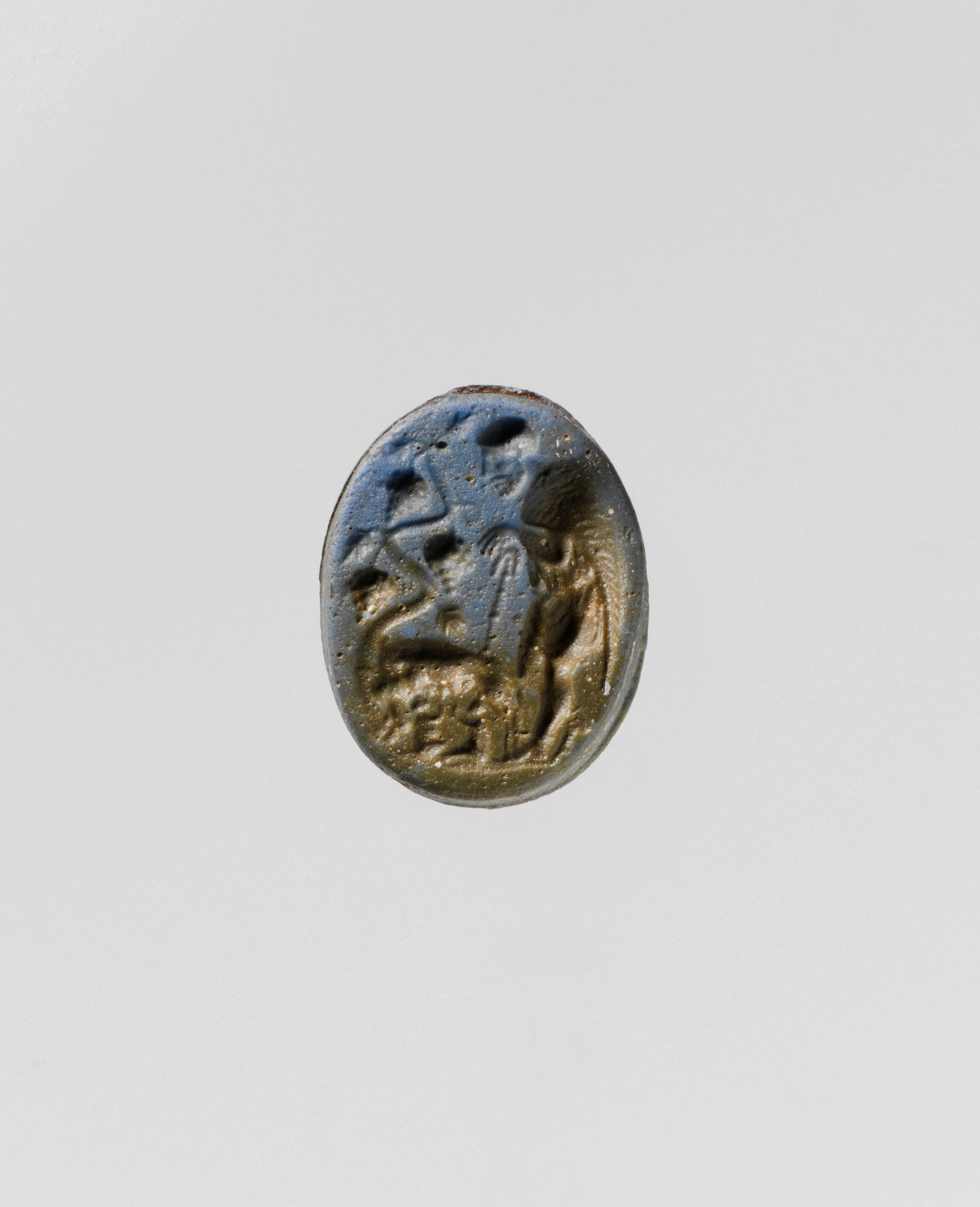
Unknown — "Opaque blue glass oval engraved gem" (1st century BCE), public domain
Assassins in the Senate.
November, 63 BC. Cicero, the consul, received word that Lucius Sergius Catilina planned to murder half the senators and seize Rome by force. As dawn broke, Cicero addressed the Senate in the Temple of Jupiter. Catiline sat glowering in the front row—dagger rumored under his cloak.
He names the traitor—aloud.
Cicero did what few dared. He called out Catiline by name, unveiling the plot in a thunderous speech: 'How long, Catiline, will you abuse our patience?' Stunned senators recoiled. Catiline stormed out, defiant, fleeing into the dark streets to join his rebel army.
A dangerous precedent is born.
Cicero’s exposure of the conspiracy electrified Rome. The Senate, swept up in fear, ordered suspected traitors executed without trial. Years later, that same breach of law would come back to haunt Cicero himself.
Cicero's gamble exposed a conspiracy at the heart of Rome. His speeches saved the Republic for a moment, but set a precedent that would haunt Rome for generations.
