
Catullus on Love's Contradiction
"I hate and I love. Why do I do this, perhaps you ask? I do not know. But I feel it happening and I am tortured." — Catullus, Poem 85, writes what jealous lovers everywhere have thought but seldom said.
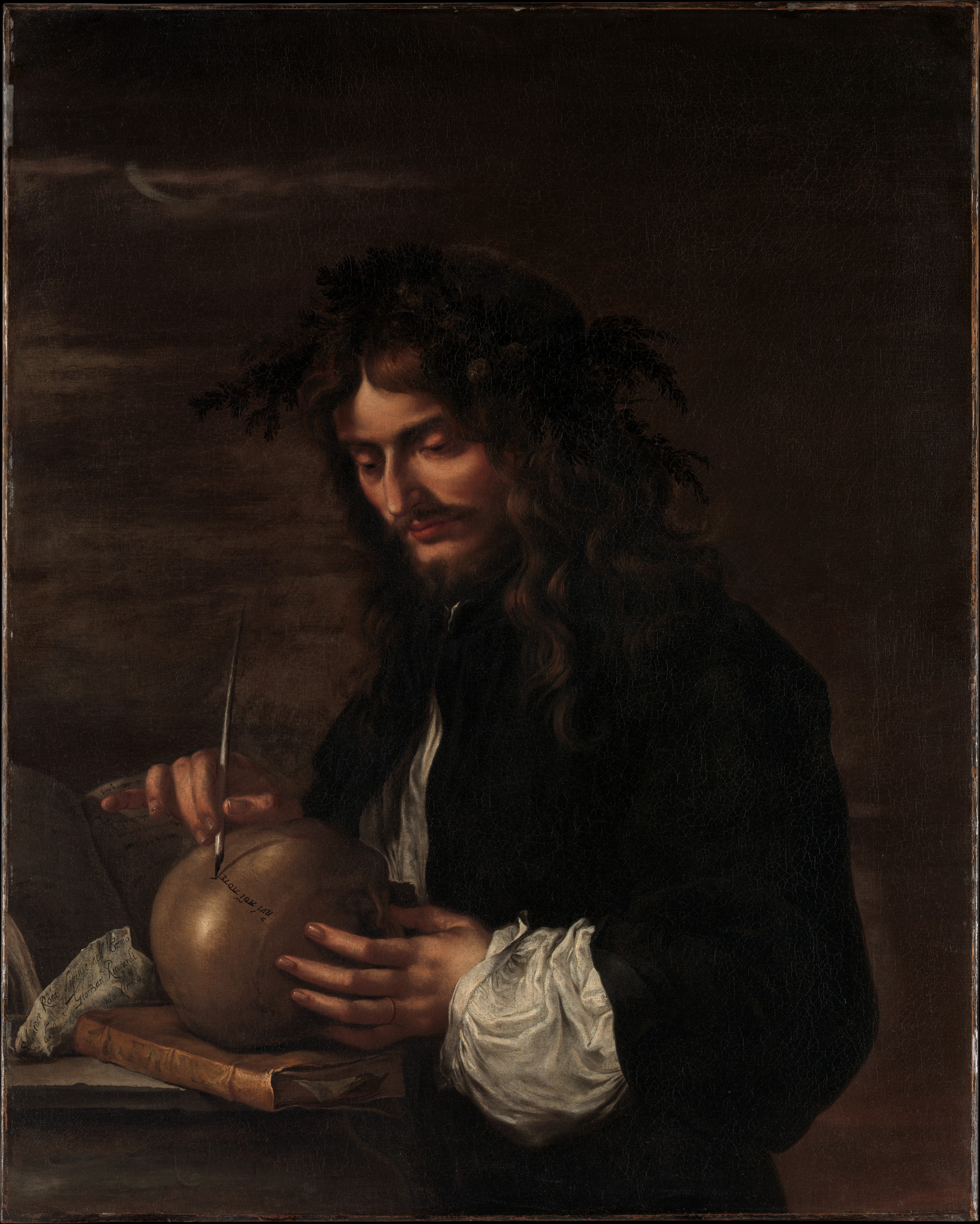
Salvator Rosa — "Self-Portrait" (ca. 1647), public domain
Hate and love — in two lines.
"Odi et amo. Quare id faciam, fortasse requiris? Nescio, sed fieri sentio et excrucior." These words are from Poem 85 by Gaius Valerius Catullus, a Roman poet writing in the shadow of the Republic’s collapse. He addresses the agony of being pulled apart by love for his mistress Lesbia — and the jealousy that eats at him.
Rome’s most honest heartbreak.
Catullus broke rules. Roman men weren’t supposed to spill out their guts, but he made poetry of obsession, bitterness, and longing that still bites. For centuries, readers have recognized themselves in those six Latin words: Odi et amo. Catullus lit a torch for emotional honesty that burns all the way into our century.
Catullus' two-line poem snapped Rome out of its stiff-lipped tradition. He put heartbreak on the page, raw and modern — a famous confession of emotional whiplash from the 1st century BC.
