
Cato the Younger on Speaking the Truth
"I'd rather be right and alone than popular and wrong." Cato the Younger, the Roman who wore defiance like a second skin, didn’t just say it — he lived it until the bitter end.
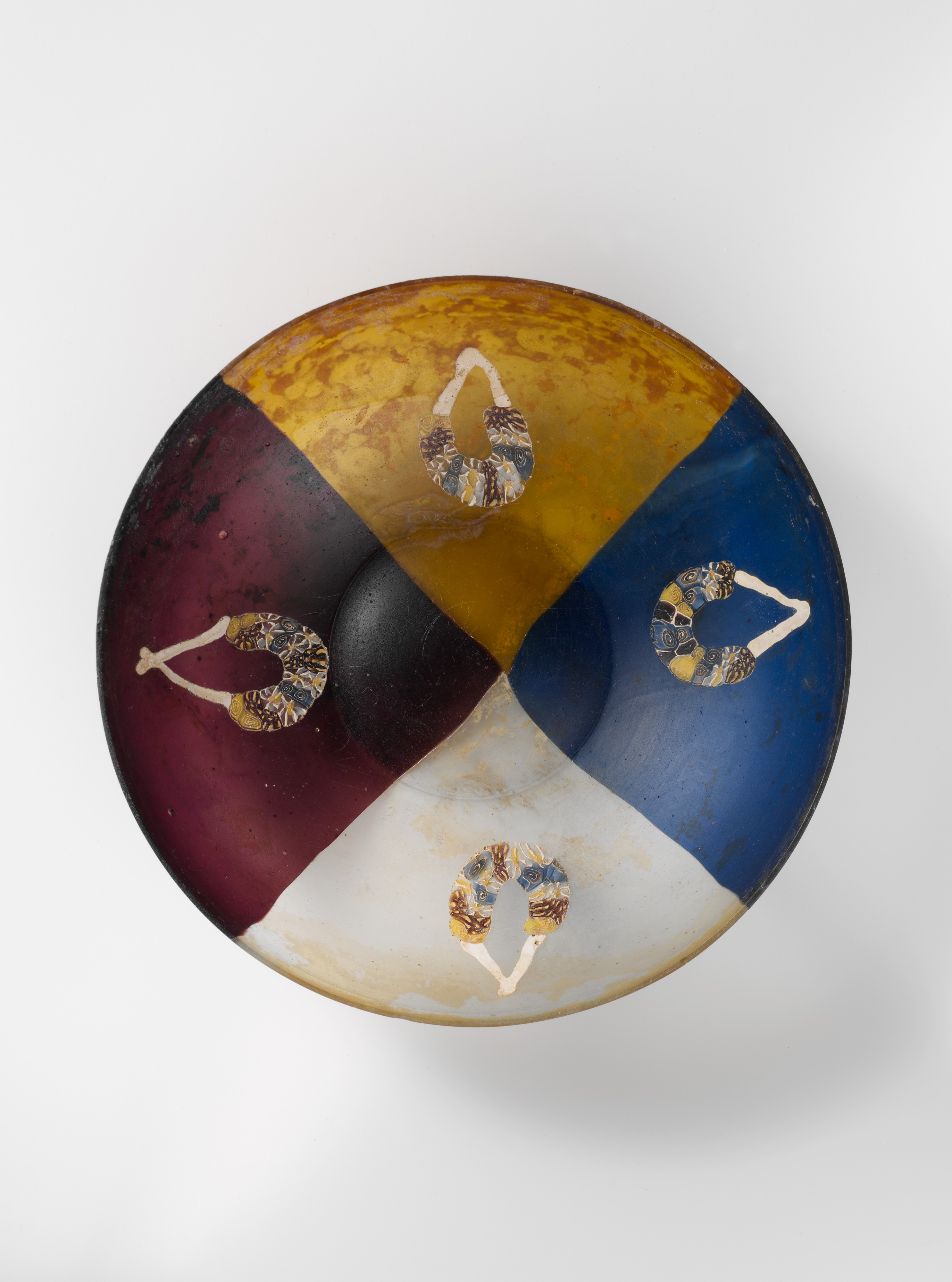
Unknown — "Glass garland bowl" (late 1st century BCE), public domain
Cato’s line in the sand
Plutarch records him in Lives of the Noble Greeks and Romans: «Ἐγώ μοι δοκῶ μᾶλλον μόνος ὀρθῶς, ἢ μετὰ πολλῶν ἁμαρτάνειν.» — «I would rather be right alone than in the wrong with the crowd.» Cato’s stubbornness made even fellow senators nervous.
Allergic to flattery, addicted to integrity
Cato didn’t just dislike lies — he made a career of being the last honest man in Rome. For him, telling the truth was the anchor in a political storm.
Rome’s conscience and outcast
Cato marched into exile, disobeyed dictators, and, when the Republic collapsed, chose death over compromise. That kind of backbone doesn’t make you friends — but it still makes legends.
For Cato, truth wasn’t tactical. It was the only currency that counted, even when it bought you solitude, exile, or an early grave.
