
Cato the Younger on Fear
"It is the height of madness to fear death, which cannot be avoided." — Cato the Younger did not write for cowards, and didn’t die like one.
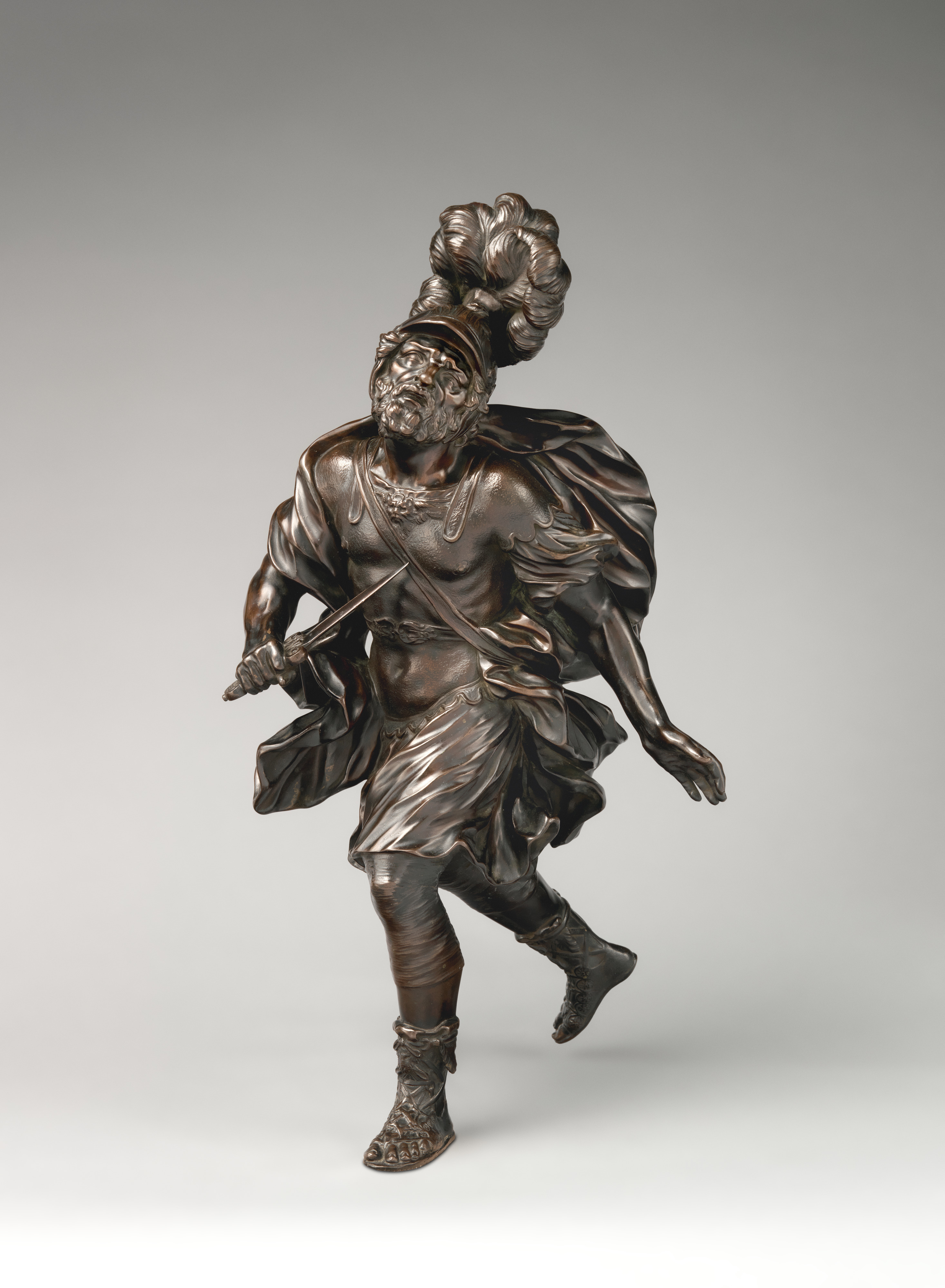
Giovanni Battista Foggini — "The suicide of Ajax" (ca. 1690), public domain
Facing death, without flinching.
Plutarch, in his Life of Cato the Younger (Chapter 66), reports Cato’s maxim: «ἄτοπον μέγιστον εἶναι τὸ θανάτου φοβεῖσθαι, ὃν οὐκ ἔστι φυγεῖν.» — "It is the height of madness to fear death, which cannot be avoided." Cato lived as if every day could be his last, and made decisions as if he were immortal.
The Stoic battle line.
For Cato, fear was the only real enemy. He watched Rome tear itself apart and refused to let dread drive him. Accepting mortality, he argued, is a kind of freedom — a clear mind for judgment, unclouded by terror at the finish line.
The last unbroken senator.
Cato the Younger drank philosophy straight. When Caesar's army closed in, he chose suicide over surrender. His critics called it stubbornness; his followers called it virtue with teeth. In Rome’s loudest decade, Cato walked into silence by choice.
Cato turned philosophy into action, even when the world closed in. He refused to let fear of the end dictate how he lived.
