
Cato the Younger on Facing Death
"Consider death to be the end of all sorrows and a boundary which you should not wish to cross without honor." — Cato the Younger made death a test, not a finish line.
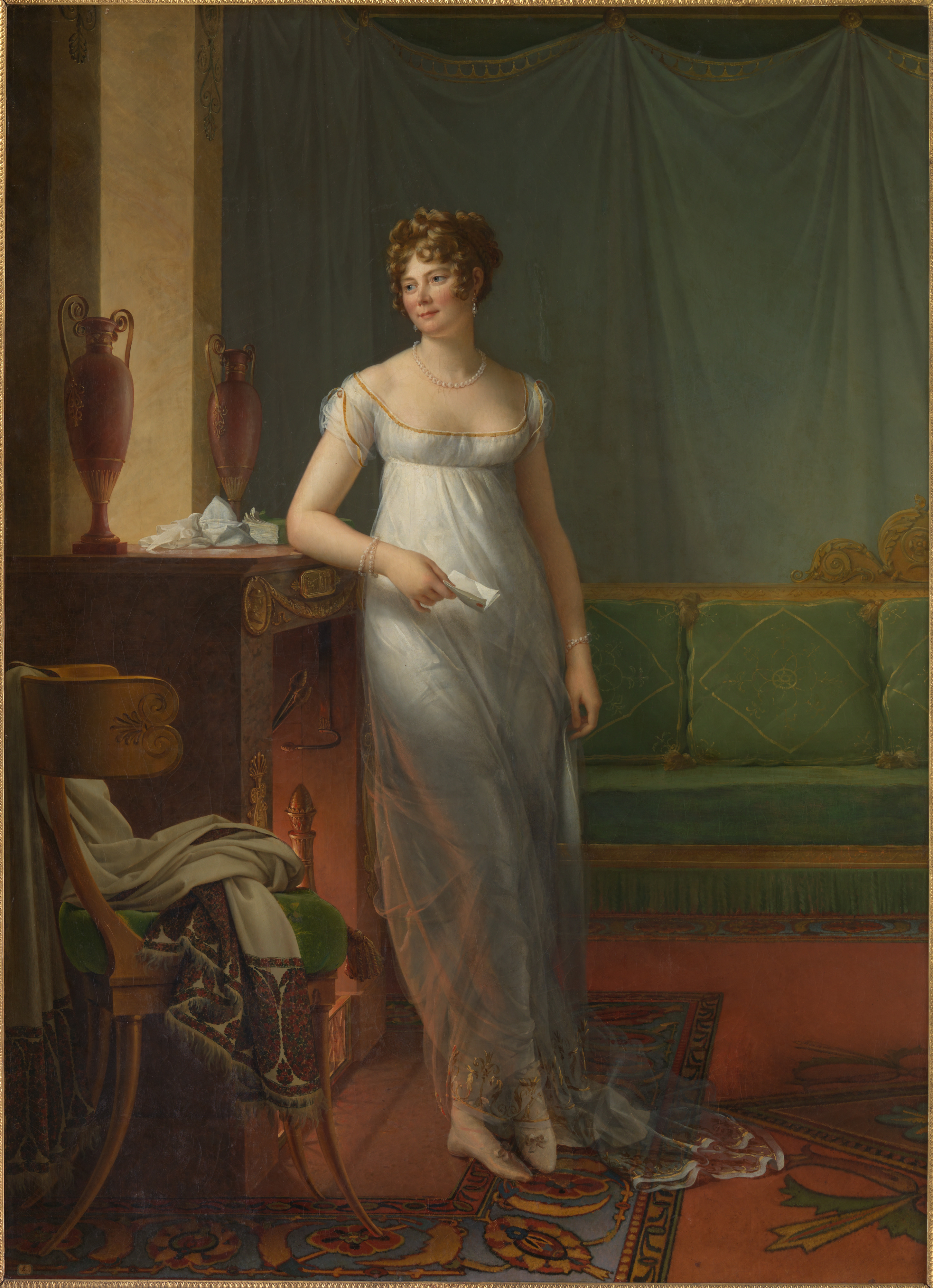
baron François Gérard — "Madame Charles Maurice de Talleyrand Périgord (1761–1835)" (ca. 1804), public domain
Cato draws the final line.
Plutarch records in 'Lives' that Cato the Younger said: «Finem esse omnium malorum mortem, eamque debere optare cui honeste non liceat vivere.» — "Consider death to be the end of all sorrows and a boundary which you should not wish to cross without honor." Cato said this as the Republic he loved was ground to dust.
What Cato meant by honor.
For Cato, death was not the enemy. Cowardice, corruption, and living without virtue were far worse. By placing dignity above survival, he refused to let Caesar — or anyone else — win the final argument.
The last of the Romans.
Cato fought Caesar to the end, then chose suicide over submission. In a world that prized survival, he prized integrity. Even his enemies admitted: Cato was the only man Caesar could not conquer.
Cato’s words are less about dying and more about the posture you take when the end is near — eyes up, spine straight, no apologies.
