
Cato the Younger on Honor
"I would much rather have men ask why I have no statue, than why I have one." Cato the Younger would rather sleep in obscurity than be celebrated for the wrong reasons.
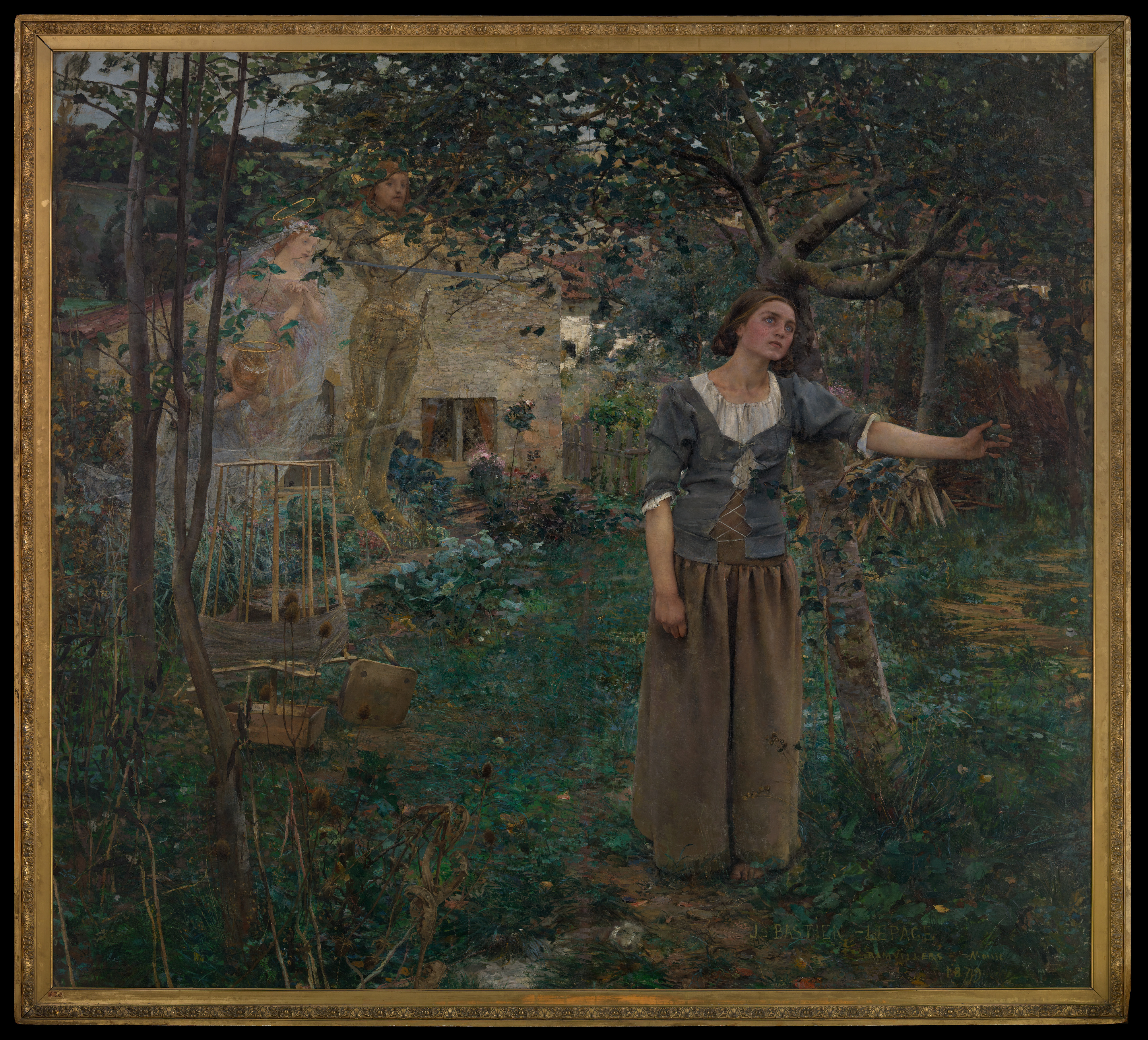
Jules Bastien-Lepage — "Joan of Arc" (1879), public domain
Cato's Statue Paradox.
In Plutarch’s Life of Cato the Younger, Cato says: «Ἐγὼ μὲν ἂν βούλομαι μᾶλλον ἄνδρας θαυμάζειν διὰ τί μοι οὐκ ἔστιν ἄγαλμα ἢ διὰ τί μοι ἔστιν.» — "I would much rather have men ask why I have no statue, than why I have one." He wanted virtue, not applause.
Cato’s Philosophy: Earn Your Pedestal.
Cato’s world was full of bought honors—statues rose and fell with the tides of power. He refused to play that game. For Cato, the prize was a reputation so clean he didn’t need marble proof. It was pride without vanity, carved straight into his Senate career.
Cato didn’t crave fame—he craved clean hands. His legacy was an empty pedestal and an untarnished name.
