
Cato’s Final Stand Against Caesar
Cato sits cross-legged, robe pulled tight, reading Plato while Caesar’s legions wait outside his door—but he won’t surrender.
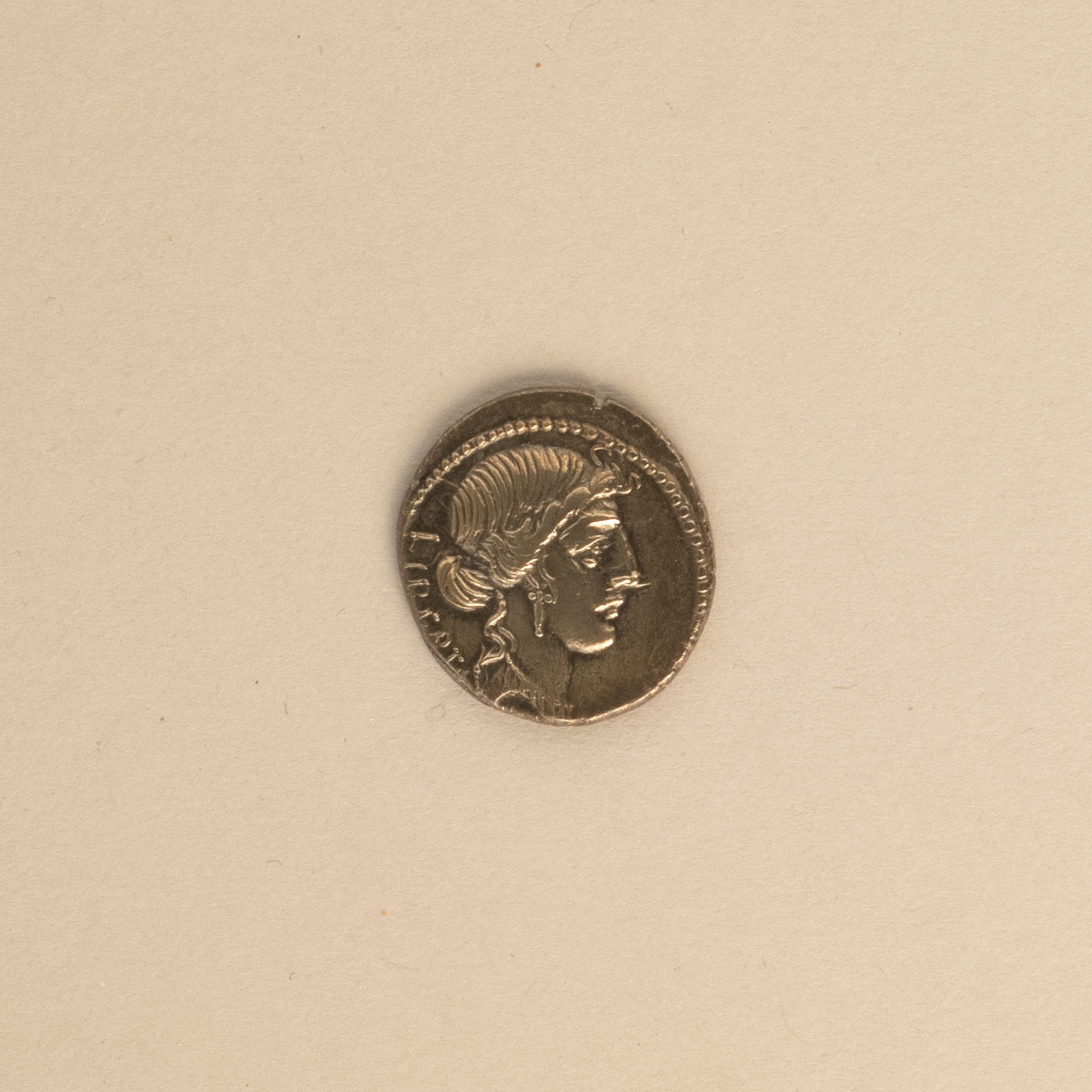
Unknown — "Silver denarius of Brutus" (54 BCE), public domain
Death rather than a tyrant’s mercy.
In 46 BC, after defeat at Thapsus, Cato the Younger retreated to Utica with a handful of followers. Caesar offered him a pardon and safe passage. Cato replied by calmly reciting poetry, eating dinner, and locking himself away with a copy of Plato.
He would not be Caesar’s man.
Cato drew his sword and fell upon it, but botched the job—his family rushed to save him. Furious, Cato tore out his own stitches and died on his own terms. Plutarch records that even Caesar, who had crushed every other opponent, was shaken by the act.
A symbol that outlived an empire.
For centuries, Cato’s name was invoked in revolutions and resistance—proof that sometimes, even in defeat, you can deny your enemy absolute victory.
Cato chose death rather than live under Caesar’s rule. His suicide turned him into a Roman symbol for liberty—and a problem Caesar could never erase.
