
Cato the Elder: The Censor Who Feared Luxury
A senator storms into the Forum waving figs—fresh from Carthage. He’s warning Rome: the enemy is still at the gate, and comfort is just as deadly as war.
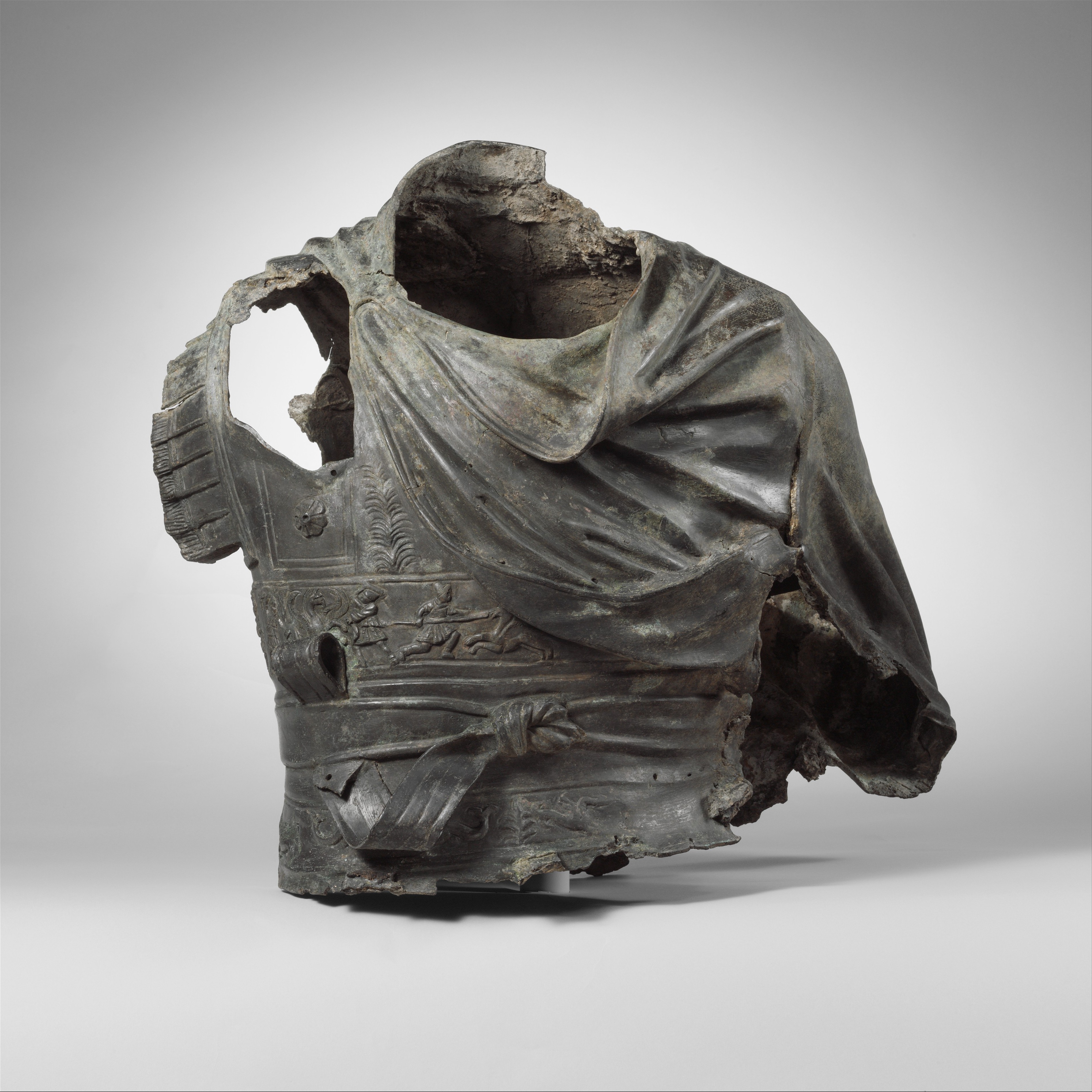
Unknown — "Bronze torso from an equestrian statue wearing a cuirass" (2nd century BCE–2nd century CE), public domain
Figs as a Weapon
Cato the Elder, voice ringing through the Senate, slams down fresh figs. 'These were picked only three days from Carthage,' he says. For Cato, even fruit becomes a warning: Rome’s enemies are near, and luxury within is as dangerous as armies without.
The Relentless Censor
As censor, Cato fines senators for wearing too much purple, rails against imported statues, and grumbles about Greek philosophers corrupting Roman youth. He leads by example, dining on brown bread and cabbage, championing old Roman values while the city around him grows richer—and softer.
A Legacy of Fear and Simplicity
Cato’s brand of virtue veers into paranoia, but his lesson lingers: comfort and conquest feed on each other. Every empire must decide which enemy is worse—the one outside the gates, or the one that buys new curtains.
Cato the Elder crusaded against Greek luxuries, foreign ideas, and anything he saw as softening Roman virtue. As censor, he fined aristocrats for showing off, ate plain cabbage for dinner, and ended every speech—no matter the topic—with a call to destroy Carthage. The real fight, for Cato, was inside Rome itself.
