
Cato’s Last Stand
While Caesar swept North Africa, Cato the Younger held onto the last flicker of the old Republic — and made a final, stubborn choice.
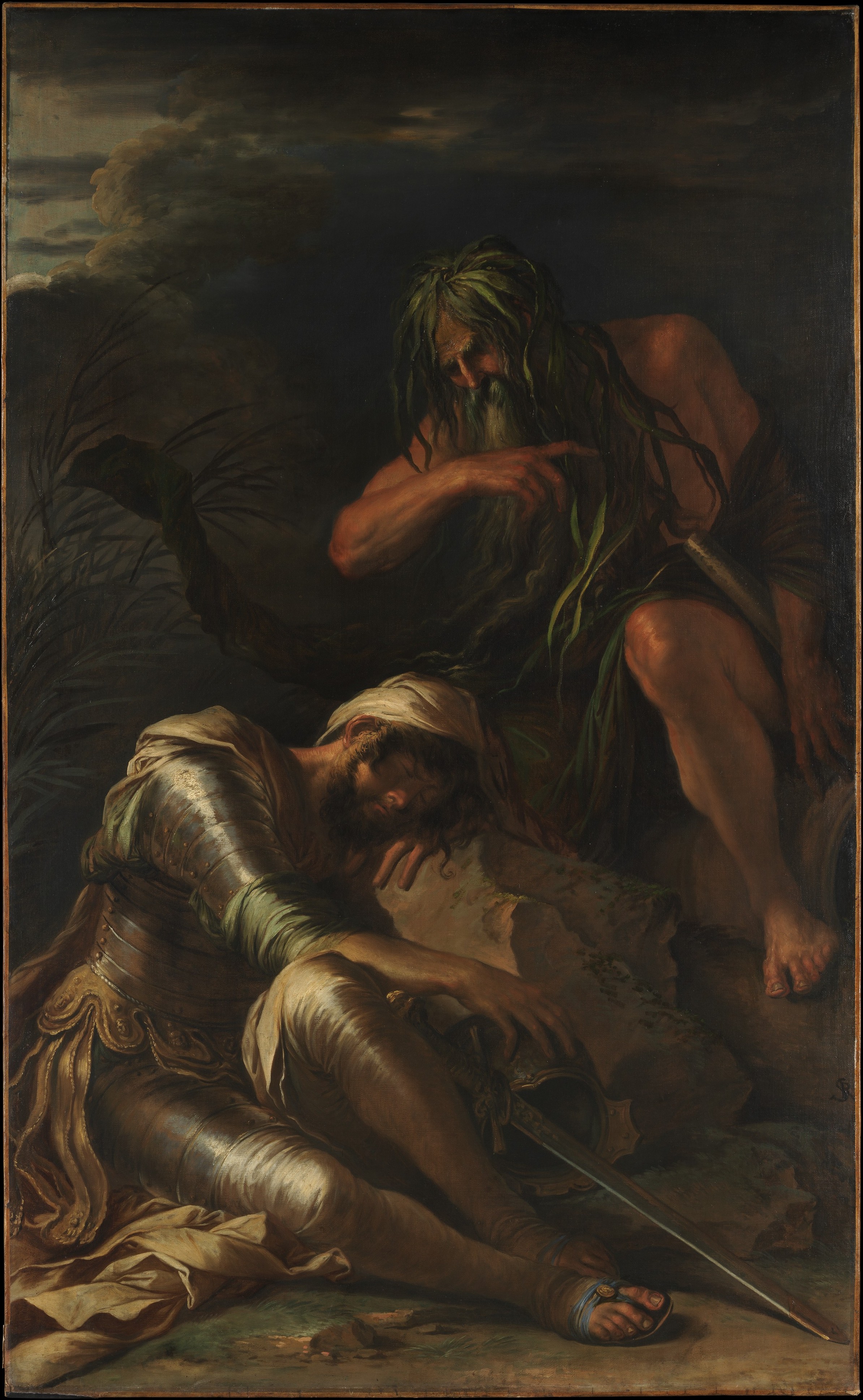
Salvator Rosa — "The Dream of Aeneas" (1660–65), public domain
The Republic’s final holdout.
After Pompey’s defeat, Caesar’s enemies regrouped in Utica. Cato the Younger, famous for incorruptible virtue, commanded the city as Caesar’s legions closed in. Surrender meant safety for many — but to Cato, it meant the death of freedom.
A deliberate end.
Offered pardon by Caesar himself, Cato calmly read Plato’s Phaedo, then stabbed himself. When servants tried to save him, Cato tore open his wound, finishing the job. His death was as much a statement as a suicide.
A martyr is born.
Cato’s refusal to bow to Caesar turned him into an icon. For generations, Romans debated whether his stubbornness was noble or foolish — but no one questioned his courage, or the power of principle over survival.
After Caesar’s victory at Thapsus, Cato refused to accept a pardon or live under dictatorship — choosing suicide over compromise. The gesture shocked Rome and made Cato a martyr for Republican liberty.
