
Calpurnia and the Dream That Haunted Rome
In the hours before Caesar's assassination, his wife Calpurnia woke shivering from a nightmare—his statue spouting blood, senators washing their hands in it.
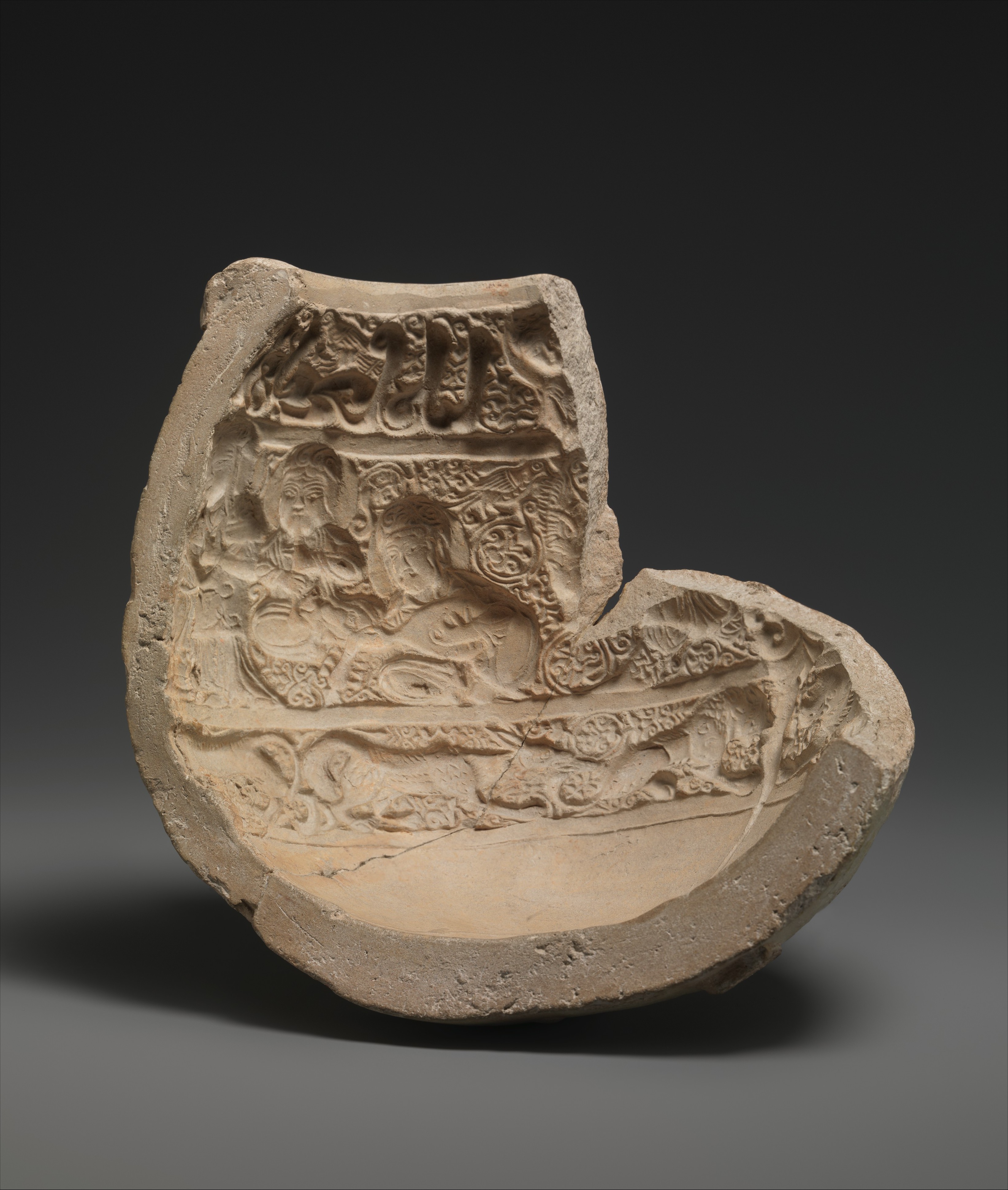
Unknown — "Mold Fragment with Musicians" (late 11th–early 12th century), public domain
A Dream Drenched in Blood
Before sunrise on the Ides of March, Calpurnia jolts awake, chilled to the bone. In her dream, Caesar’s marble statue pours blood and men bathe their hands in it. In the house of Rome’s most powerful man, not even sleep is safe.
The Morning He Should Have Stayed Home
Sources like Plutarch and Suetonius record Calpurnia pleading with Caesar—don't go, something terrible is coming. The city outside buzzes with rumors, priests warn of ill omens. For a heartbeat, Caesar almost listens. Then he shrugs, steps outside, and walks into the Senate for the last time.
Rome Remembers Her Warning
Long after swords have done their work, Romans remember Calpurnia’s dread. Was it superstition, a woman’s intuition, or something more? Her nightmare becomes everyone’s omen—etched into the myth of power ignored.
The morning of the Ides, Calpurnia begged him not to go to the Senate. A dream—so vivid that historians like Plutarch and Suetonius couldn't ignore it—became one of the most chilling omens in Roman memory. Caesar wavered, then brushed her aside. He walked out the door straight into history's most famous ambush.
